
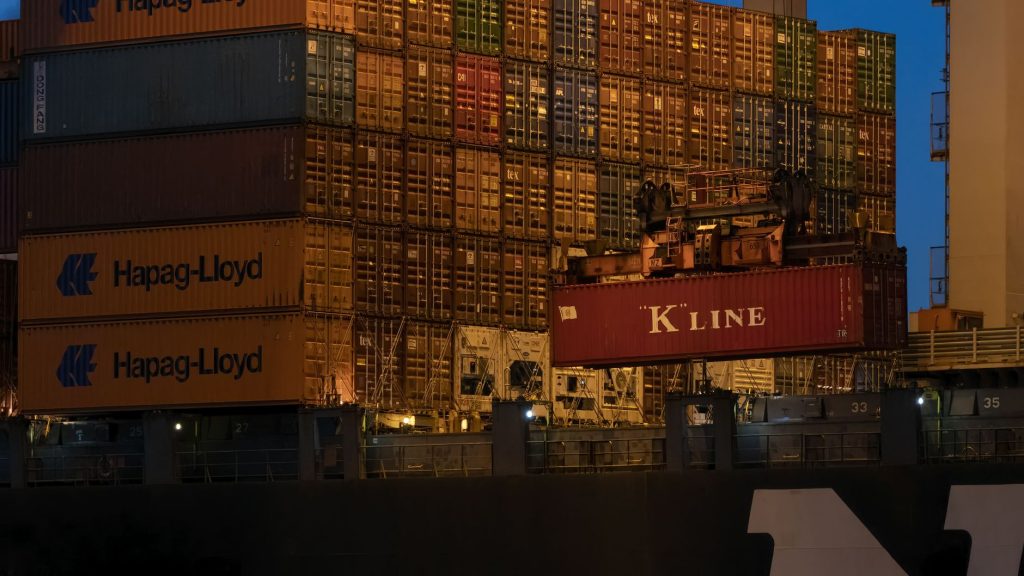
Hapag-Lloyd freight rates are set to increase in December, affecting shipping costs between the Far East and Europe. This change could have significant implications for logistics operations.
Overview of Hapag-Lloyd’s Rate Increase
Hapag-Lloyd has announced a significant increase in freight rates for its Far East to Europe shipping routes, set to take effect from December. This strategic decision comes as part of the company’s ongoing efforts to adapt to the fluctuating market conditions and rising operational costs. With the aim of maintaining service quality and reliability, the increase is expected to impact various stakeholders in the shipping industry.
The new rates demonstrate Hapag-Lloyd’s commitment to ensuring sustainability and efficiency in its operations. As the demand for shipping services continues to evolve, the company has positioned itself to offer competitive pricing while addressing the challenges posed by inflation and supply chain disruptions.
- Key Details of the Rate Increase:
- Effective from December 1, 2023
- Applicable on all Far East to Europe routes
- Designed to cover rising operational costs
Industry analysts believe that the adjustments in Hapag-Lloyd freight rates will set a precedent for other carriers, potentially leading to similar increases across the sector. This move highlights the ongoing volatility within the shipping market as companies seek to balance profitability with service excellence.
Impact on Shipping Costs
The recent decision by Hapag-Lloyd to increase freight rates for December has drawn significant attention from industry stakeholders. This adjustment is expected to have a notable impact on shipping costs, particularly for routes connecting the Far East and Europe.
As shipping companies strive to balance operational costs with competitive pricing, the rise in Hapag-Lloyd freight rates will likely lead to higher overall shipping expenses for businesses reliant on these routes. Importers and exporters must prepare for increased costs, which could affect supply chain dynamics and pricing strategies across various industries.
Key factors contributing to this increase include:
- Rising fuel prices: The global surge in fuel costs has significantly impacted shipping operations.
- Increased demand: A rebound in consumer demand post-pandemic has led to higher shipping volumes.
- Supply chain disruptions: Ongoing challenges in logistics and port congestion are driving costs upwards.
Ultimately, the new Hapag-Lloyd freight rates are poised to reshape the shipping landscape, compelling companies to adapt their logistics strategies to mitigate the financial impact.
What Shippers Need to Know
As shippers prepare for the upcoming changes in the market, there are several important factors to consider regarding Hapag-Lloyd freight rates. With the recent announcement of increased rates for shipments from the Far East to Europe, understanding the implications can help businesses make informed decisions.
Shippers should note the following key points:
- Effective Date: The new freight rates will take effect from December, so shippers should plan accordingly to avoid disruptions.
- Rate Increases: The adjustments are significant, reflecting Hapag-Lloyd’s commitment to maintaining service quality amidst increasing operational costs.
- Market Trends: These changes are indicative of broader trends in the shipping industry, where rates are expected to fluctuate based on demand and capacity.
- Contract Negotiations: Shippers should engage in proactive discussions with their logistics partners to ensure their contracts reflect the new market realities.
By staying informed and adjusting strategies, shippers can navigate the evolving landscape and manage the impact of Hapag-Lloyd freight rates effectively.
Market Reactions to the Rate Change
Following the announcement of Hapag-Lloyd’s increased freight rates for December, market reactions have been mixed. Many industry analysts are closely monitoring how these changes will influence shipping dynamics across the globe.
Shippers and freight forwarders have expressed concern about the rising costs, noting that these increases may be passed on to consumers. However, some logistics experts believe that the adjustment in Hapag-Lloyd freight rates could lead to a more stabilized market in the long run.
Key reactions include:
- Positive Outlook: Some industry leaders argue that a rate increase could help restore profitability for carriers that have struggled with low rates throughout the year.
- Cautious Optimism: Freight forwarders are optimistic but remain cautious, as the increase could deter some small to medium-sized businesses from shipping internationally.
- Market Volatility: Analysts warn that any abrupt changes in freight rates can lead to market volatility, making it essential for shippers to plan accordingly.
As the December deadline approaches, stakeholders will need to adapt to the new reality of Hapag-Lloyd’s freight rates and their implications on global trade.
Future Projections for Freight Rates
As the shipping industry heads into December, future projections for freight rates, particularly those set by Hapag-Lloyd, indicate a continuing upward trend. Analysts anticipate that the recent rate increase will not only stabilize but potentially elevate freight costs across various routes.
Several factors contribute to this outlook:
- Demand Surge: A rebound in global trade and consumer demand is expected to sustain pressure on shipping capacity.
- Supply Chain Adjustments: Companies are adapting their supply chains to cope with delays, which may lead to increased shipping volumes and higher rates.
- Operational Costs: Rising fuel prices and port fees may further drive up Hapag-Lloyd freight rates, as carriers adjust pricing to maintain profitability.
Moreover, shippers should be prepared for potential fluctuations that could arise from geopolitical tensions and regulatory changes. Understanding these dynamics will be crucial for businesses relying on international shipping. As the market evolves, keeping a close eye on Hapag-Lloyd freight rates will be essential to navigate the complexities of the logistics landscape effectively.
How to Prepare for Increased Costs
As Hapag-Lloyd implements its freight rate increase for December, shippers must take proactive steps to prepare for the upcoming changes in shipping costs. Understanding the implications of these new rates is essential for effective logistics planning.
Here are some strategies to consider:
- Review Contracts: Examine existing agreements with carriers to assess how the new Hapag-Lloyd freight rates may impact contractual obligations and overall shipping budgets.
- Adjust Budgets: Allocate additional funds to cover the expected increase in freight costs, ensuring that financial resources are available to maintain business operations smoothly.
- Negotiate Terms: Engage with freight forwarders and carriers early to negotiate favorable terms, potentially offsetting some of the increased costs associated with Hapag-Lloyd’s rate adjustments.
- Optimize Logistics: Consider alternative shipping routes or methods that may offer cost savings in light of the increased freight rates.
- Enhance Communication: Maintain open lines of communication with suppliers and customers to manage expectations regarding shipping timelines and costs.
By implementing these strategies, shippers can better navigate the changes brought by Hapag-Lloyd’s freight rate increase and minimize the impact on their operations.
Conclusion and Recommendations
In conclusion, the recent announcement regarding Hapag-Lloyd freight rates signifies a notable shift in the shipping landscape as we approach December. The decision to raise rates for the Far East–Europe route is poised to impact both shippers and consumers alike. As costs increase, it is crucial for businesses to reassess their logistics strategies to mitigate financial strain.
Recommendations for shippers include:
- Review current contracts to ensure terms align with the expected rate increases.
- Explore alternative shipping routes or carriers that may offer more competitive rates.
- Enhance supply chain efficiency to manage costs effectively and pass savings onto consumers.
- Stay informed on market trends and adjust pricing strategies to maintain profitability.
As the market adjusts to these changes, stakeholders should remain vigilant in monitoring Hapag-Lloyd freight rates and their broader implications. By proactively adapting to evolving conditions, shippers can better navigate the complexities of the shipping industry and ensure sustained success in the face of rising costs.
Photo by A P on Pexels
 Shipping Route Rate Hikes: The Worst Impact on Logistics
 CMA CGM FAK rates: Clear changes in October surcharges
 Hapag-Lloyd Freight Rates: The Best Proven Increase for December
 Cerebras quarterly results: Proven earnings beat expectations
 India merchandise export surge: Proven sectors driving growth
 Institutional Crypto Demand: Worst Exodus of $1B from ETFs