
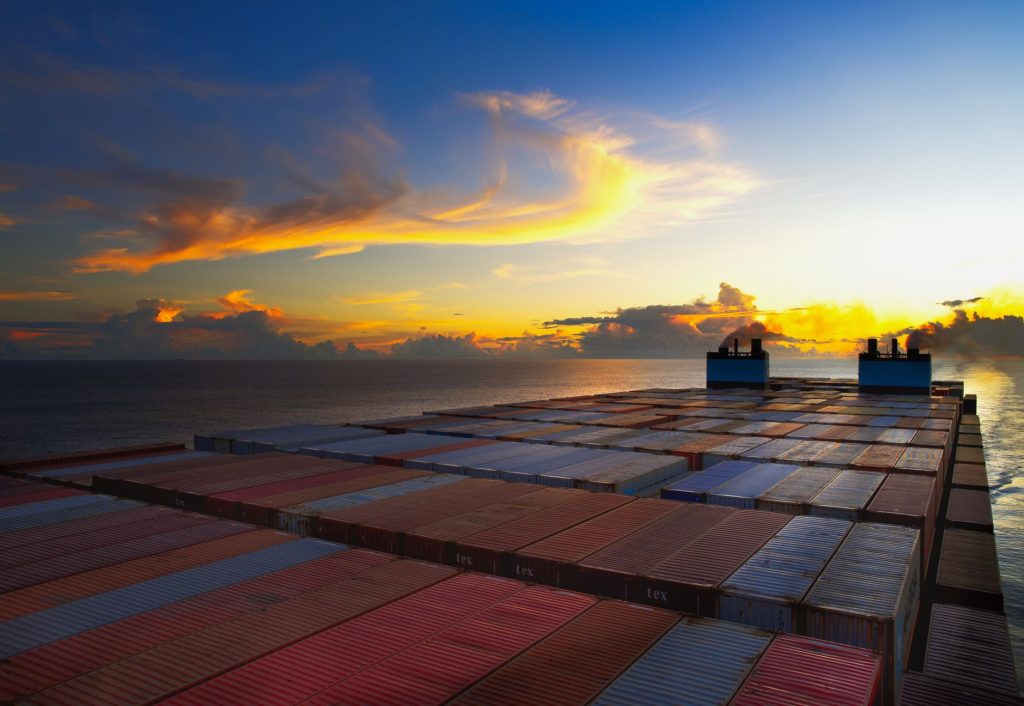
shipping route rate hikes are affecting logistics in September, leading to increased costs and challenges for businesses. This situation is prompting industry leaders to seek solutions.
Understanding the Current Shipping Landscape
The shipping industry has recently been undergoing significant changes, particularly in September, as multiple shipping routes face rate hikes. These increases in shipping route rates are a response to various factors impacting logistics worldwide.
One major contributor to the current shipping landscape is the ongoing disruption in global supply chains. Factors such as labor shortages, port congestion, and fluctuating demand have created a perfect storm, forcing shipping companies to adjust their pricing strategies.
Furthermore, the rising costs of fuel and shipping materials have compounded the situation. As companies strive to maintain profitability, they have little choice but to pass these costs on to consumers through higher shipping rates.
Experts predict that these shipping route rate hikes will have a ripple effect throughout the economy. Key sectors that rely heavily on timely deliveries, such as retail and manufacturing, may experience increased costs that could ultimately be transferred to consumers.
- Labor shortages: A significant issue that has led to delays and increased costs.
- Port congestion: Ongoing backups at major ports are exacerbating shipping delays.
- Fuel prices: Rising fuel costs are a primary driver behind the rate hikes.
As logistics companies adapt to these challenges, stakeholders must remain vigilant and consider the long-term implications of these shipping route rate hikes on their operations.
Factors Driving Rate Hikes
The recent shipping route rate hikes have been attributed to a confluence of several critical factors impacting the logistics industry. Understanding these drivers is essential for stakeholders to navigate the evolving landscape effectively.
- Increased Fuel Costs: The ongoing rise in fuel prices has significantly contributed to the overall cost of shipping. As fuel expenses account for a major portion of operational costs, carriers have had no choice but to pass these increases onto customers.
- Supply Chain Disruptions: Continued supply chain disruptions, exacerbated by global events, have resulted in delays and increased demand for available shipping options, thereby driving up prices. Ports struggling with congestion further complicate timely deliveries.
- Changes in Demand: The post-pandemic recovery has led to a surge in consumer demand for goods, which has outstripped the current shipping capacity. This imbalance between supply and demand is a significant factor influencing shipping route rate hikes.
- Geopolitical Tensions: Ongoing geopolitical issues have introduced uncertainty in international shipping lanes, resulting in fluctuating rates as companies seek to mitigate risks associated with transporting goods.
As these factors continue to evolve, logistics companies must adapt their strategies to ensure sustainability and cost-effectiveness in an increasingly challenging environment.
Impact on Supply Chain Efficiency
The recent shipping route rate hikes are poised to disrupt supply chain efficiency significantly. As logistics companies grapple with rising costs, various aspects of operations are expected to be affected.
One of the primary impacts will be on transportation costs. Increased shipping rates can lead to higher prices for goods, which may cause delays in deliveries as companies reevaluate their logistics strategies. This situation is particularly concerning for businesses that rely on just-in-time inventory systems, where any delay can lead to production halts and financial losses.
Furthermore, the rate hikes can strain relationships between suppliers and retailers. As shipping costs rise, suppliers may be forced to pass these expenses onto retailers, creating tension in negotiations. Retailers, in turn, may seek alternative suppliers or shipping methods, further complicating the supply chain.
Additionally, smaller companies without the negotiating power of larger corporations may struggle to adapt to the new shipping landscape. The increased costs could lead to reduced competitiveness, pushing some businesses to the brink of closure.
In summary, the implications of shipping route rate hikes extend far beyond immediate financial concerns. They threaten to disrupt established logistics networks, leading to inefficiencies and potential long-term consequences for the entire supply chain ecosystem.
Strategies to Mitigate Costs
As shipping route rate hikes continue to challenge the logistics industry, businesses must adopt proactive strategies to mitigate costs. Here are some effective approaches to consider:
- Consolidate Shipments: By combining smaller shipments into larger ones, companies can take advantage of economies of scale, reducing the overall shipping costs.
- Negotiate with Carriers: Establishing long-term relationships with shipping carriers can provide leverage in negotiating better rates, even in the face of rising costs.
- Optimize Supply Chains: Streamlining operations and improving inventory management can minimize the need for expedited shipping, which is often more expensive.
- Explore Alternative Routes: Investigating less conventional shipping routes might uncover lower rates and faster delivery times, offsetting the impact of rate hikes on established routes.
- Utilize Technology: Investing in logistics software can help businesses track shipping trends and optimize their supply chains more effectively, leading to cost savings.
By implementing these strategies, businesses can navigate the challenges posed by shipping route rate hikes while maintaining their competitive edge. The key is to remain adaptable and vigilant in monitoring changes within the shipping landscape.
Expert Opinions on Future Trends
Industry experts are weighing in on the future trends surrounding shipping route rate hikes, emphasizing the potential long-term implications for logistics companies. According to logistics analyst Jane Thompson, “The continued increases in shipping route rates could reshape the dynamics of global trade. Companies will need to adapt quickly to avoid disruptions.”
Many experts agree that these rate hikes are not merely a temporary blip but a reflection of underlying economic pressures. Dr. Samuel Lee, an economist specializing in maritime trade, notes that “the rising costs of fuel and port fees are significant contributors to the increases we are witnessing.” He suggests that these factors could persist, leading to sustained price pressure on shipping routes.
Furthermore, Maria Gonzalez, a logistics consultant, advises businesses to rethink their supply chain strategies: “Diversifying shipping routes and considering alternative modes of transport may become essential for companies to maintain competitiveness in the face of ongoing rate hikes.”
In light of these insights, logistics firms are encouraged to monitor market trends closely and remain agile in their operations. As the industry braces for potential disruptions, the consensus is clear: proactive measures are vital to navigate the evolving landscape influenced by shipping route rate hikes.
Case Studies of Affected Companies
Several companies have reported significant challenges due to the recent shipping route rate hikes, leading to increased operational costs and disrupted supply chains.
Company A, a mid-sized electronics manufacturer based in California, experienced a 30% increase in shipping costs over the past month. This surge has forced them to raise prices on their products, ultimately impacting their sales and customer satisfaction.
Company B, a global retailer, has faced similar issues. The logistics manager reported that their international shipping expenses have risen dramatically, leading to a delayed product launch for their latest line. They are now exploring alternative shipping routes, which may not only be costlier but also less reliable.
Company C, a food distributor, highlighted the issue of perishable goods. The shipping route rate hikes have made it increasingly difficult to maintain product integrity during transport. With longer transit times and higher costs, they are now considering restructuring their supply chain to mitigate these challenges.
These case studies exemplify how the shipping route rate hikes are not just numbers on a balance sheet; they represent real consequences for businesses trying to adapt to an evolving market landscape.
- Company A: 30% increase in shipping costs
- Company B: Delayed product launches
- Company C: Challenges with perishable goods
Conclusion and Recommendations
In conclusion, the recent shipping route rate hikes are set to profoundly affect logistics operations worldwide. As businesses navigate these challenges, it is essential to adopt a proactive approach to mitigate potential disruptions and costs. The following recommendations can help companies adapt to the evolving shipping landscape:
- Evaluate Shipping Options: Regularly assess various shipping carriers and routes to identify the most cost-effective options. Staying informed about rate changes can help businesses make timely decisions.
- Negotiate Contracts: Engage in discussions with shipping providers to negotiate better terms and rates. Establishing long-term partnerships may yield favorable pricing amidst fluctuating rates.
- Increase Inventory Resilience: Consider holding extra inventory to buffer against shipping delays. This strategy can help maintain supply chain continuity despite rate hikes.
- Leverage Technology: Utilize logistics software to optimize routing and track shipping costs in real-time. This can aid in making informed decisions based on current market conditions.
- Stay Informed: Keep abreast of industry news and trends related to shipping route rate hikes. Understanding the broader context can help businesses anticipate changes and adjust strategies accordingly.
Ultimately, adapting to the challenges posed by shipping route rate hikes requires a combination of strategic planning, flexibility, and ongoing communication within the logistics network.
Photo by Pankaj Mishra on Pexels
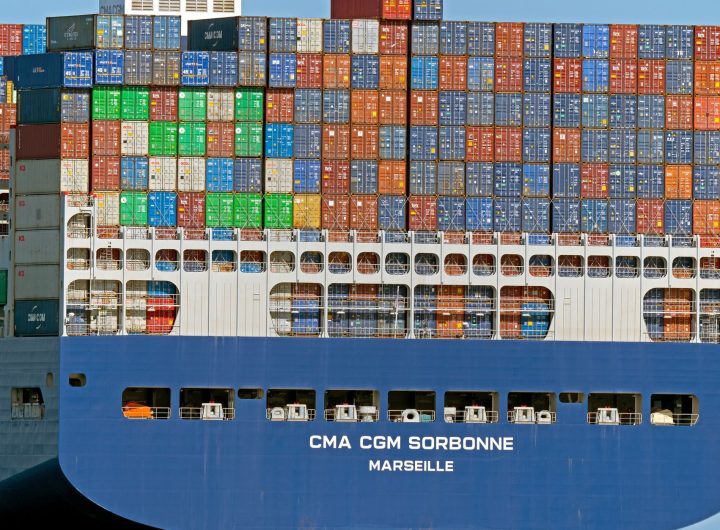 CMA CGM FAK rates: Clear changes in October surcharges
  Pi Network price prediction: How high can it go?
  Jindal Supreme IPO allotment: Quick Guide to Check Status
  NSE IPO Day 3: Is It Worth Applying for Listing Gains?
  Bitcoin Price Prediction: Best Proven Trends Ahead