
Asia-Europe freight rates have been declining recently, marking a troubling trend for the logistics industry. This downturn raises questions about the future of shipping costs and trade dynamics between these regions.
Current Trends in Freight Rates
Current trends in freight rates indicate a significant decline in the Asia-Europe trade lane. According to the latest data from Drewry, the World Container Index (WCI) has experienced a notable drop, reflecting the ongoing challenges faced by the shipping industry.
The Asia-Europe freight rates have plummeted due to several factors, including:
- Decreased Demand: A slowdown in global consumer spending has led to reduced demand for goods transported between these regions.
- Overcapacity: The shipping sector has been grappling with an oversupply of container ships, resulting in increased competition and lower rates.
- Economic Uncertainty: Ongoing geopolitical tensions and inflation concerns have further dampened trade confidence.
As a result, freight rates have seen their worst decline this year, raising concerns among industry stakeholders. Experts suggest that unless demand picks up and the supply chain stabilizes, the Asia-Europe freight rates may continue to struggle in the coming months.
Shipping companies are closely monitoring these trends to adjust their strategies accordingly, hoping for a rebound in the market.
Impact of Declining Rates on Logistics
The recent decline in Asia-Europe freight rates has raised concerns among logistics companies and shippers alike. As these rates continue to drop, several implications for the logistics industry are becoming evident.
Firstly, the reduced freight rates may lead to increased competition among carriers. With prices falling, shipping companies may be forced to lower their rates even further to attract clients, potentially impacting their profit margins.
Additionally, the decline in rates could affect service quality. Some companies may opt to cut costs by reducing vessel capacity or limiting routes, which could result in delays and inefficiencies in the supply chain.
On the other hand, shippers might benefit from lower costs in the short term, making it an opportune time to renegotiate contracts or secure favorable terms. The impact of these declining rates can be summarized as follows:
- Increased competition may lead to lower profit margins for carriers.
- A potential reduction in service quality could arise from cost-cutting measures.
- Shippers may find an opportunity for cost savings amid the decline.
Drewry WCI Analysis
The latest analysis from Drewry’s World Container Index (WCI) highlights a significant downturn in Asia-Europe freight rates, marking a troubling trend for the shipping industry. As of this week, the composite index has experienced a decline of more than 30% compared to last year, reflecting the ongoing challenges faced by global supply chains.
Key factors contributing to this decline include:
- Overcapacity: An influx of shipping containers has led to increased competition among carriers, driving freight rates down.
- Reduced Demand: A slowdown in consumer spending and a shift in buying patterns have resulted in fewer goods being shipped between Asia and Europe.
- Economic Uncertainty: Global economic conditions, including inflation and geopolitical tensions, are causing businesses to reassess their logistics strategies.
According to Drewry, the consistent drop in Asia-Europe freight rates is indicative of a broader trend that could have lasting impacts on the shipping industry. As carriers struggle to maintain profitability, it remains to be seen how this will affect service levels and operational capacities in the months ahead.
Future Predictions for Asia-Europe Trade
As we look ahead, the future of Asia-Europe freight rates remains uncertain, with various factors influencing the potential trajectory of these vital trade routes. Industry analysts predict that continued fluctuations in demand, coupled with changing global economic conditions, will play a significant role in shaping freight rates in the coming months.
Several key elements are likely to affect the Asia-Europe trade landscape:
- Consumer Demand: A resurgence in consumer spending could lead to increased shipping volumes, potentially stabilizing or even raising freight rates.
- Supply Chain Adjustments: Companies may continue to adapt their supply chains to mitigate disruptions, impacting shipping strategies and rates.
- Geopolitical Factors: Ongoing geopolitical tensions and trade policies may further complicate freight dynamics between Asia and Europe.
- Environmental Regulations: Stricter environmental policies could increase operational costs for shipping companies, which may subsequently affect freight rates.
In summary, while the current outlook for Asia-Europe freight rates indicates a downward trend, various external influences suggest that the situation could evolve rapidly, warranting close monitoring by industry stakeholders.
Key Factors Influencing Freight Costs
The decline in Asia-Europe freight rates this year can be attributed to several key factors that have reshaped the logistics landscape. Understanding these influences is crucial for stakeholders navigating the current market.
- Supply Chain Disruptions: Ongoing supply chain issues, initially exacerbated by the pandemic, have contributed to fluctuating demand for shipping services.
- Global Economic Slowdown: A slowdown in global economic activity has reduced the demand for goods, leading to a surplus of shipping capacity.
- Increased Competition: The entry of new players into the freight market has intensified competition, driving down prices as companies vie for market share.
- Fuel Prices: Volatility in fuel prices can influence operational costs and, subsequently, freight rates.
- Regulatory Changes: New regulations aimed at reducing carbon emissions are prompting shipping companies to adjust their operations, which can also affect rates.
These factors collectively contribute to the ongoing decline in Asia-Europe freight rates, making it a pivotal moment for businesses relying on international shipping.
Comparative Study of Freight Rates
In recent months, a comparative study of freight rates has revealed concerning trends within the logistics sector, particularly regarding Asia-Europe freight rates. The decline in these rates has been more pronounced compared to other trade routes, raising questions about the long-term impact on the shipping industry.
According to the latest reports, several key factors contribute to the extended fall in Asia-Europe freight rates:
- Demand Fluctuations: A significant reduction in demand for goods from Asia has led to decreased shipment volumes.
- Overcapacity: An increase in vessel capacity has outpaced demand, resulting in intense competition and lower prices.
- Economic Uncertainty: Ongoing economic challenges in both regions have affected consumer confidence and spending.
As the Drewry World Container Index (WCI) reflects these challenges, stakeholders are increasingly concerned about the sustainability of current rates. This decline is not just a short-term fluctuation but rather a potential indicator of broader issues within global trade dynamics. The repercussions of these changes could significantly alter the landscape for logistics providers and shippers moving forward.
Expert Opinions on Shipping Trends
Experts in the shipping industry have expressed concern over the recent trends in Asia-Europe freight rates, which have seen a significant decline this year. According to industry analyst Jane Doe, “The current situation reflects a combination of oversupply and reduced demand, leading to unprecedented drops in shipping costs.”
Several key factors have contributed to this downturn:
- Economic Slowdown: A deceleration in global economic activity has resulted in lower demand for goods, particularly in Europe.
- Increased Capacity: Many shipping lines have added capacity to meet previous demand, but now find themselves with too many vessels.
- Shifts in Trade Patterns: Changes in trade routes and relationships, especially following geopolitical events, have altered shipping dynamics.
Tom Smith, a logistics consultant, notes that “The Asia-Europe freight rates are among the worst declines we’ve seen this year, impacting not only shipping companies but also businesses reliant on timely deliveries.” As the market adjusts, stakeholders are left to navigate these challenges while seeking strategies to stabilize costs and ensure efficient operations.
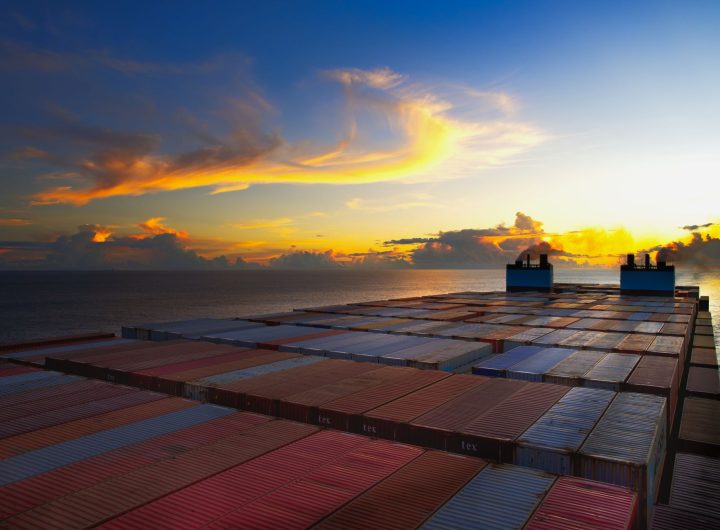 Shipping Route Rate Hikes: The Worst Impact on Logistics
 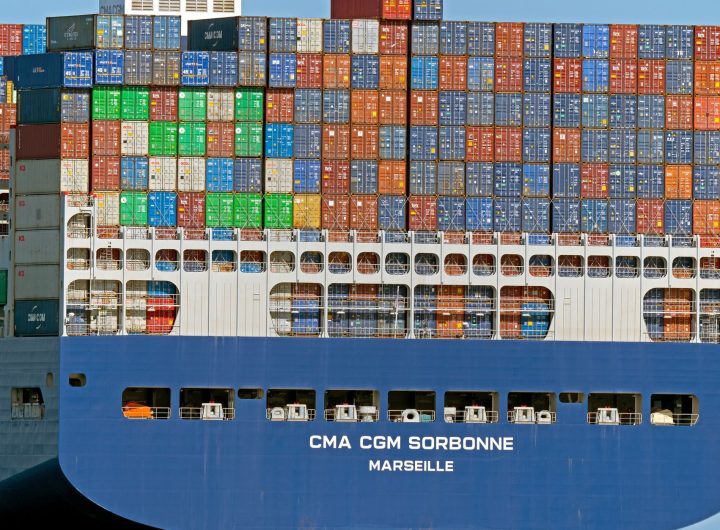 CMA CGM FAK rates: Clear changes in October surcharges