
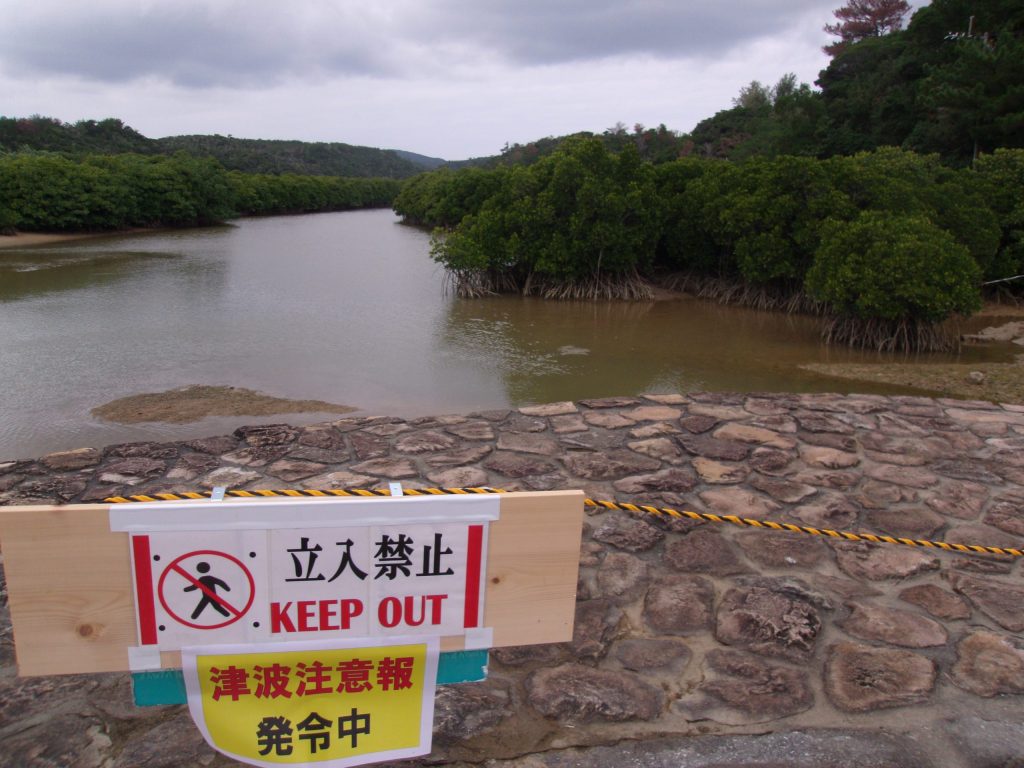
The Tonga eruption tsunami has rewritten the rules of tsunami science. This remarkable event has reshaped our understanding of how tsunamis are generated and their impacts on coastal regions.
Understanding the Tonga Eruption
The Tonga eruption in January 2022 was an unprecedented geological event that not only reshaped the landscape but also generated a tsunami that had far-reaching effects. Scientists now recognize this eruption as a pivotal moment in understanding how tsunamis are formed and behave.
The explosion was classified as a “ultra” eruption due to its extraordinary magnitude, releasing an estimated 400,000 tons of ash and gas into the atmosphere. This massive discharge caused a series of powerful shockwaves that rippled across the ocean, creating waves that reached heights of over 15 meters in some areas.
Researchers have identified several key factors that contributed to the unique characteristics of the Tonga eruption tsunami:
- Submarine volcano activity: The eruption occurred underwater, allowing for rapid wave generation.
- Atmospheric pressure changes: The blast created shockwaves that impacted ocean surface dynamics.
- Geographic features: The surrounding islands affected wave propagation and intensity.
These findings suggest that the Tonga eruption tsunami may be the worst proven impact on waves, challenging existing theories and prompting a reevaluation of tsunami risk assessment globally.
Impact of Tsunamis on Coastal Areas
The impact of tsunamis on coastal areas can be devastating, as evidenced by the Tonga eruption tsunami in 2022. This event highlighted the destructive power of volcanic eruptions on ocean dynamics, leading to unprecedented wave behavior.
Communities situated near coastlines are particularly vulnerable to the repercussions of such natural disasters. The Tonga eruption generated waves that reached extraordinary heights, causing significant damage to infrastructure and ecosystems. The following factors illustrate the impact of tsunamis:
- Flooding: Coastal flooding can lead to the submergence of homes, businesses, and critical infrastructure.
- Erosion: The force of tsunami waves can erode shorelines, altering landscapes and displacing sediment.
- Ecological Damage: Marine ecosystems suffer as the influx of freshwater and debris disrupts habitats, affecting species survival.
- Economic Impact: Local economies can face long-term challenges due to loss of property, decline in tourism, and increased rebuilding costs.
As researchers continue to study the Tonga eruption tsunami, it is crucial to develop better warning systems and preparedness strategies to mitigate future risks.
The Science Behind Tsunami Formation
The recent Tonga eruption tsunami has highlighted the complex science behind tsunami formation. Tsunamis are typically caused by underwater disturbances, such as volcanic eruptions, earthquakes, or landslides, which displace large volumes of water. In the case of the Tonga eruption, the massive explosion generated shockwaves that propagated through the ocean, creating a series of waves that traveled across vast distances.
Understanding the mechanics of tsunami formation involves examining key factors:
- Energy Transfer: The energy released during an eruption can cause significant displacement of water, leading to the formation of waves.
- Wave Propagation: Tsunami waves travel at high speeds in deep water, making early detection and warning crucial.
- Wave Amplification: When tsunamis approach shallow coastal areas, their speed decreases, but their height increases, making them more dangerous.
Researchers have found that the Tonga eruption tsunami was unique due to its intensity and the way it interacted with the ocean environment, providing new insights into tsunami behavior and potential impacts on coastal communities.
Lessons Learned from the 2022 Eruption
The Tonga eruption tsunami in January 2022 served as a stark reminder of the unpredictable nature of natural disasters and their profound impact on coastal communities. Several key lessons emerged from this event, shaping future preparedness and response strategies.
- Enhanced Monitoring Systems: The eruption highlighted the need for advanced tsunami monitoring systems that can detect changes in ocean behavior promptly and accurately.
- Community Education: Awareness programs must be prioritized to educate coastal populations on the risks associated with tsunamis, especially those triggered by volcanic eruptions.
- International Collaboration: The global response demonstrated the importance of collaboration between nations for effective disaster management and information sharing during such emergencies.
- Infrastructure Resilience: Reinforcing coastal infrastructure to withstand powerful waves can mitigate damage and save lives during future tsunami events.
Overall, the Tonga eruption tsunami underscored that while we cannot predict when disasters will strike, we can take proactive steps to protect vulnerable communities and enhance our response capabilities.
Future Implications for Tsunami Research
The unprecedented Tonga eruption tsunami has sparked a renewed interest in tsunami research, highlighting the need for updated models and methodologies. As scientists analyze the effects of the eruption, they are uncovering critical insights that could reshape our understanding of tsunami dynamics.
Key future implications for tsunami research include:
- Enhanced Predictive Models: The eruption’s unique characteristics may lead to the development of more accurate forecasting tools, allowing for better preparedness in coastal communities.
- Broader Scope of Study: Researchers are now considering a wider range of volcanic activity as potential tsunami triggers, moving beyond traditional earthquake-focused analyses.
- Global Collaboration: The Tonga eruption tsunami has emphasized the importance of international cooperation in data sharing and research, as tsunamis can impact multiple countries.
- Public Awareness Campaigns: Educating coastal populations about the potential risks associated with volcanic tsunamis will be crucial in minimizing future impacts.
As scientists continue to study the aftermath of the Tonga eruption tsunami, the findings promise to enhance our understanding and response to similar events in the future.
By Indiana jo via Openverse
 Tonga eruption tsunami: The Worst Proven Impact on Waves