

NSE IPO listing is a significant event for investors and market watchers alike. As India’s largest stock exchange prepares for its debut, many are eager to see if it will deliver unexpected results.
What to Expect from NSE IPO Listing
The anticipation surrounding the NSE IPO listing has captured the attention of investors and market analysts alike. As the largest stock exchange in India prepares for its debut, several key factors are expected to shape the outcome.
Firstly, market sentiment plays a crucial role. Analysts suggest that positive trends in the broader market could lead to a successful listing, while any economic uncertainties may dampen investor enthusiasm.
Secondly, the pricing strategy of the IPO will be a deciding factor. A competitive pricing model could attract more investors, resulting in higher demand and potentially boosting the stock’s performance on the first day.
Lastly, investor participation is vital. The level of interest from retail and institutional investors can significantly impact the overall success of the listing. A strong showing from both groups may indicate confidence in the exchange’s future growth.
In conclusion, the NSE IPO listing is not just about numbers; it reflects the market’s pulse and can lead to unexpected outcomes. Investors should keep a close eye on these dynamics as the listing date approaches.
Understanding the Impact of NSE on Investors
The recent NSE IPO listing has generated significant interest among investors, prompting discussions on its potential impact on the market. Understanding how this landmark event affects investors is crucial for making informed decisions.
Investors should consider several key factors:
- Market Sentiment: The performance of the NSE IPO can influence overall market confidence, impacting investor behavior.
- Liquidity: A successful listing may enhance liquidity in the market, allowing for easier buying and selling of shares.
- Comparison with Other IPOs: How the NSE listing performs in comparison to recent IPOs can provide insights into market trends.
- Long-term Growth Potential: Investors will be keen to evaluate whether the NSE can sustain growth over time, affecting their investment strategies.
Additionally, analysts are keeping a close watch on how the NSE IPO listing aligns with global market movements. As the largest stock exchange in India, the NSE plays a pivotal role in shaping investment decisions and market dynamics.
Understanding these elements will help investors navigate the surprises that may arise from this significant event.
Market Reactions to IPO Listings
The recent NSE IPO listing has sparked significant interest among investors and market analysts alike. As the largest stock exchange in India, the NSE’s entry into public trading was anticipated to create ripples across the financial landscape. Market reactions to IPO listings often reveal the underlying sentiment of investors regarding the potential for growth and profitability.
In the case of the NSE, initial trading saw a mix of enthusiasm and caution:
- Positive Sentiment: Many investors were buoyed by the prospect of investing in a robust financial institution that plays a crucial role in the Indian economy.
- Concerns: Some analysts expressed worries about the overall market conditions and how they might affect the IPO’s performance.
- Volatility: The early hours of trading were marked by fluctuations, as investors quickly adjusted to the stock’s initial valuation.
Understanding these market reactions is essential for investors looking to navigate the unpredictable waters of the stock market. The NSE IPO listing is a prime example of how public sentiment can drive market behavior, revealing both opportunities and risks for those involved.
Historical Performance of IPOs in India
The historical performance of IPOs in India has been a subject of much analysis and debate among investors and market analysts. Over the years, the trend indicates a mix of significant successes and notable failures, which can often lead to surprising outcomes during events like the NSE IPO listing.
Several factors contribute to the variability in performance:
- Market Sentiment: The overall mood of the market can dramatically affect IPO performance. Positive sentiment often leads to higher initial valuations.
- Company Fundamentals: Strong financial health and growth potential can make an IPO attractive, while weak fundamentals can deter investors.
- Regulatory Environment: Changes in financial regulations can impact investor confidence, influencing the success of new listings.
- Timing: The timing of the launch of an IPO can determine its reception. Launching during a bullish market often yields better results.
Historically, some IPOs have soared post-listing, while others have struggled to maintain their initial pricing. As the NSE IPO listing approaches, investors are keenly watching these historical trends, hoping to glean insights that will inform their strategies moving forward.
Expert Opinions on NSE IPO
Experts are closely analyzing the implications of the NSE IPO listing as it approaches. Many analysts believe that this landmark event could serve as a significant indicator of market trends and investor confidence. According to Ravi Kumar, a seasoned market analyst, “The NSE IPO listing is not just a financial event; it represents a new chapter for India’s stock market.”
Another expert, Priya Sharma, points out that the response from institutional investors will be crucial. She states, “The level of interest from institutional players could set the tone for retail investors. A strong showing could lead to heightened demand for upcoming IPOs.”
Furthermore, Ajay Mehta, a financial strategist, emphasizes the importance of understanding market surprises. “If the NSE IPO listing exceeds expectations, it may boost overall market sentiment, leading to a rally in other sectors,” he asserts.
In summary, the expert opinions suggest that the NSE IPO listing could have far-reaching implications, not only for the exchange itself but also for the broader investment landscape in India.
How to Prepare for the NSE IPO
As investors gear up for the NSE IPO listing, preparation is crucial to maximizing potential benefits. Here are several key strategies to consider:
- Research the Company: Understand the fundamentals of the National Stock Exchange, including its financial health, business model, and growth prospects. This will provide insights into how the NSE might perform post-listing.
- Stay Updated: Follow news related to the NSE IPO listing closely. Regulatory announcements, market trends, and expert analyses can offer valuable information that influences decision-making.
- Diversify Investments: It’s wise to maintain a diversified portfolio. Relying heavily on a single stock, especially during an IPO, can increase risk. Consider balancing your investments across various sectors.
- Understand Valuation Techniques: Familiarize yourself with different methods of valuing an IPO. This knowledge can help you determine if the NSE IPO is fairly priced or if it presents a buying opportunity.
- Engage with Financial Advisors: Consulting with financial experts can provide personalized advice tailored to your investment goals, especially in the context of the NSE IPO listing.
By following these strategies, investors can better navigate the surprises that often accompany IPO listings.
Key Dates and Timelines for NSE Listing
The timeline surrounding the NSE IPO listing is crucial for investors looking to navigate potential market surprises. Key dates include:
- Initial Filing Date: The NSE submitted its draft red herring prospectus (DRHP) on June 30, 2021, marking the beginning of the listing journey.
- Regulatory Approval: The Securities and Exchange Board of India (SEBI) approved the NSE’s IPO application on August 12, 2021, allowing the exchange to proceed with its plans.
- IPO Launch Date: The public offering was officially opened for subscription on December 15, 2021, and remained open until December 17, 2021.
- Allotment Date: Investors could expect the allotment results to be announced on December 22, 2021, providing insights into demand and investor interest.
- Listing Date: The much-anticipated NSE IPO listing is set for December 28, 2021, when shares will officially begin trading on the stock exchange.
Understanding these key dates is essential for investors to effectively track the NSE IPO listing and anticipate the subsequent market reactions.
Comparing NSE with Other Global Exchanges
The NSE IPO listing has garnered significant attention as investors and analysts compare it with other global exchanges. Understanding these comparisons can provide insights into potential market surprises and future performance.
Several factors are crucial when evaluating the NSE alongside its global counterparts:
- Market Size: The National Stock Exchange of India is one of the largest exchanges in Asia, but its market capitalization is still small compared to major players like the New York Stock Exchange and the London Stock Exchange.
- Regulatory Environment: The regulatory frameworks governing IPOs vary across regions, with some countries offering more favorable conditions, potentially influencing investor sentiment.
- Investor Participation: Participation rates in IPOs often differ, with foreign investors playing a significant role in global exchanges, whereas domestic investors dominate in India.
- Historical Trends: Analyzing past IPO performances in different markets can help predict outcomes for the NSE IPO listing, as trends may reveal investor preferences and market behavior.
By examining these aspects, stakeholders can better understand the implications of the NSE IPO listing and prepare for any unexpected developments in the market.
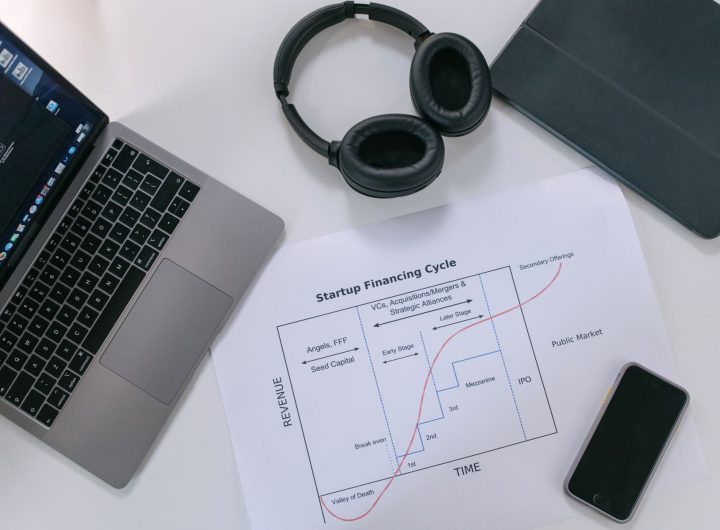
Photo by Markus Winkler on Pexels
 Adroit Industries IPO: Best Proven Investment Opportunity
  Runwal Enterprises IPO: Is It the Best Investment Opportunity?
  Jindal Supreme IPO allotment: Quick Guide to Check Status
  NSE IPO GMP: Worst Drop with Proven Insights
  Mainboard IPOs this week: What are the best options?
  Optical frequency references: What is the proven accuracy?
  Time Correction Investments: Smart Strategies for SIP Success
  NSE IPO Listing: The Best Way to Understand Market Surprises
  Windows updates VPN issues: Worst connection problems revealed