

The Indian rupee six-month high is making headlines as it strengthens against major currencies, signaling positive economic trends.
Understanding the Indian Rupee’s Strength
The Indian rupee has recently reached a six-month high, marking a significant milestone in the currency’s performance against the US dollar. This upward trend is largely attributed to several economic factors that have contributed to strengthening investor confidence in the Indian market.
One of the primary reasons for the rupee’s rise is the robust foreign investment inflows. Investors are increasingly turning to India, driven by its promising economic outlook and favorable government policies. The influx of capital not only boosts the currency but also enhances overall market sentiment.
Additionally, the Indian government’s recent initiatives aimed at promoting exports and reducing the trade deficit have also played a crucial role. With exports on the rise, the demand for the rupee has surged, further propelling its value.
Another contributing factor is the steady performance of India’s key economic indicators. The country’s GDP growth rate has remained resilient, and inflation has been kept in check, providing a stable environment for investors. As such, the Indian rupee’s six-month high reflects a broader trend of economic stability and growth.
In summary, the current strength of the Indian rupee is not just a short-term phenomenon. It indicates a positive trajectory for the economy and serves as a compelling reason for investors to consider opportunities within the Indian market.
Factors Contributing to the Recent Surge
The recent rise of the Indian rupee to a six-month high can be attributed to several key factors. Understanding these elements can provide valuable insights for investors looking to capitalize on this trend.
- Strong Foreign Investment: Increased foreign direct investment (FDI) has significantly bolstered the rupee. Investors are drawn to India’s robust economic potential, leading to higher demand for the currency.
- Positive Economic Indicators: Various economic indicators such as GDP growth and improving trade balances have enhanced investor confidence. When the economy performs well, the rupee tends to appreciate, further contributing to its six-month high.
- Government Policies: The Indian government’s proactive measures aimed at promoting economic growth and stabilizing the currency have also played a critical role. Initiatives to attract foreign capital and streamline regulations have been particularly effective.
- Global Market Trends: Fluctuations in global markets can impact the rupee’s value. Recent trends, including a weaker U.S. dollar and rising oil prices, have created a favorable environment for the rupee’s appreciation.
- Investor Sentiment: Positive sentiment among investors, fueled by optimism about India’s economic recovery post-pandemic, has led to increased investment in Indian assets, driving the rupee higher.
In summary, the convergence of these factors has resulted in the Indian rupee reaching a six-month high, presenting a promising opportunity for savvy investors.
Impact on Investors and Businesses
The recent achievement of the Indian rupee hitting a six-month high has significant implications for investors and businesses alike. As the value of the rupee strengthens, it presents both opportunities and challenges in the market.
For investors, the rise in the rupee’s value can lead to a more favorable environment for foreign investments. When the rupee appreciates, foreign investors may find Indian assets more attractive, potentially leading to an influx of capital into the country. This increased investment can boost stock market performance, benefiting those who have invested in Indian equities.
Additionally, businesses that rely on imports may see a decrease in costs due to the strengthened rupee. This can enhance profit margins and provide companies with the ability to offer competitive pricing to consumers. However, exporters might face challenges as their goods become more expensive for foreign buyers, potentially impacting their revenue.
Overall, the Indian rupee’s six-month high can act as a double-edged sword. While it may stimulate foreign investment and reduce import costs, it also poses risks for exporters. Investors and businesses must remain vigilant and adapt their strategies to navigate this evolving economic landscape.
In conclusion, the strengthening of the rupee is a critical development that warrants attention from all market participants. Understanding its implications can help investors make informed decisions in this dynamic environment.
Comparative Analysis with Other Currencies
The recent surge of the Indian rupee to a six-month high has prompted a comparative analysis with other major currencies, shedding light on its relative strength in the global market. This development is particularly significant as it enhances the attractiveness of the rupee for investors.
When examining the rupee’s performance alongside other currencies, several key points emerge:
- US Dollar: The rupee’s appreciation against the dollar signifies a shift in investor sentiment, as economic indicators suggest a robust recovery in India compared to the US.
- Euro: The Indian rupee’s strength against the Euro highlights the resilience of the Indian economy, especially in light of the Eurozone’s ongoing challenges.
- British Pound: As the rupee rises, Indian exports become more competitive, benefiting from a favorable exchange rate against the pound.
- Japanese Yen: The rupee’s performance against the yen is noteworthy, especially as Japan grapples with its own economic hurdles.
Investors are keenly observing these trends, as a stronger rupee can lead to lower import costs and reduced inflationary pressures. The Indian rupee’s six-month high not only reflects domestic economic stability but also instills confidence among foreign investors, making it a pivotal moment for the currency’s future.
Future Predictions for the Indian Rupee
As the Indian rupee reaches a six-month high, analysts and investors are keenly focused on future predictions for the currency’s performance. Several factors could influence the rupee’s trajectory in the coming months, and understanding these elements is crucial for informed decision-making.
Economic forecasts indicate that the Indian rupee may continue to strengthen, driven by:
- Improving Economic Indicators: With a rebound in manufacturing and services sectors, the overall economic health of India is projected to enhance, supporting the currency’s strength.
- Foreign Investment Inflows: Increased foreign direct investment (FDI) and portfolio investments could bolster demand for the rupee, pushing its value higher.
- Global Market Trends: Fluctuations in major currencies, such as the US dollar, can significantly affect the rupee’s performance. A weakening dollar could provide further support.
However, potential challenges remain. The rupee’s strength might face headwinds from:
- Geopolitical Tensions: Any escalation in geopolitical risks could lead to volatility in currency markets.
- Inflationary Pressures: Rising inflation may cause concerns about the central bank’s monetary policy, impacting investor sentiment.
In summary, while the Indian rupee’s six-month high presents a promising outlook, investors should remain cautious and consider both the opportunities and risks ahead.
The Indian rupee six-month high has attracted considerable attention from global investors looking for stable opportunities. As the currency strengthens, the Indian rupee six-month high is seen as a positive indicator for the overall economic outlook.
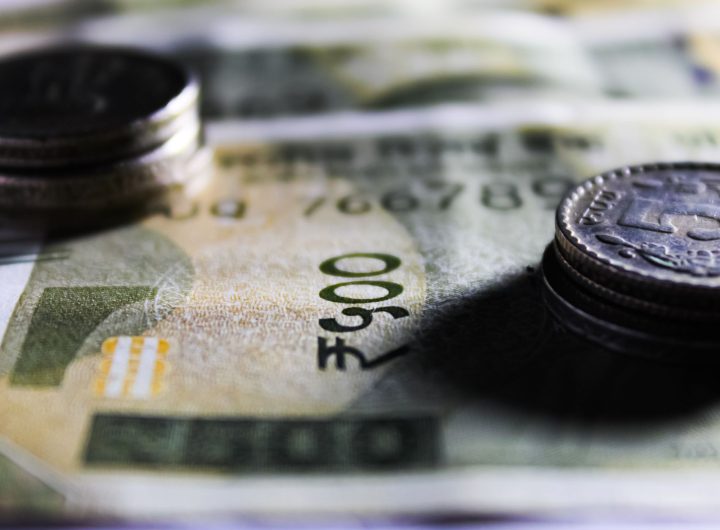
Photo by Ravi Roshan on Pexels
 Jio Platforms IPO: The Best Quick Guide to Investment Opportunities
 India exports to China: Proven growth in trade relations
 IV Set Pricing: The Real Cost Exposed for Patients
 Indian rupee six-month high: A Proven Boost for Investors
 Building Long-Term Healthcare Security Through Informed Insurance Planning
 Taskmaster New Year Treat: What’s the Best Contestant Lineup?