
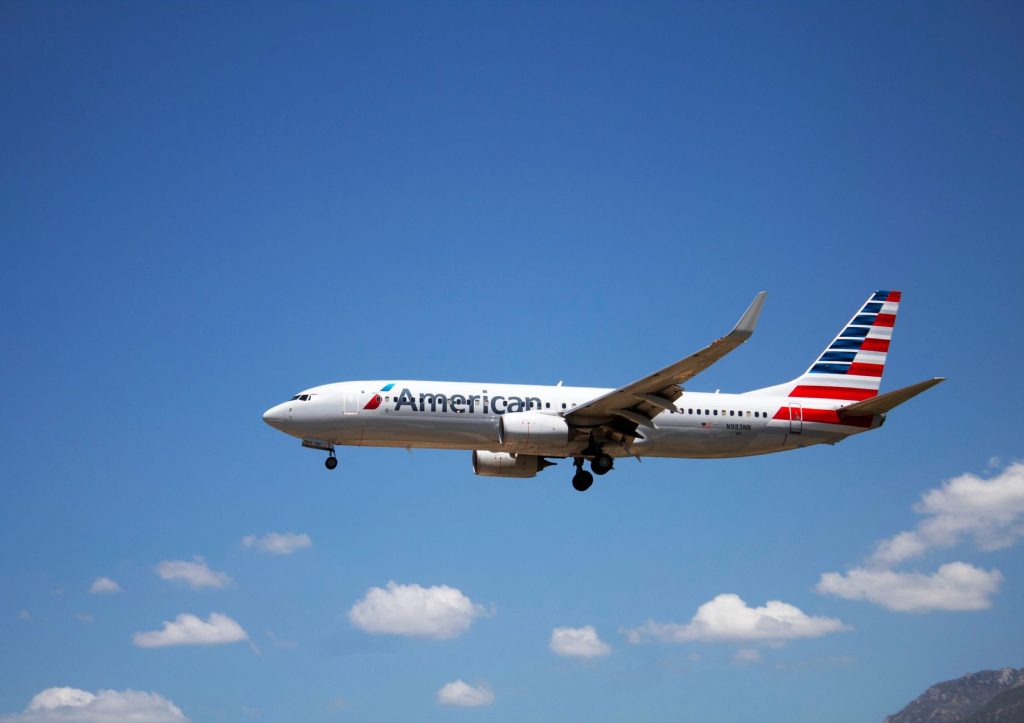
The American Airlines passenger duct-taped incident has sparked widespread outrage and discussion about airline safety protocols. The shocking event has led to significant repercussions for those involved.
What Happened with the American Airlines Passenger?
Recently, an American Airlines passenger duct-taped to a seat became a focal point of media attention and public discussion. The incident occurred during a flight where the passenger exhibited unruly behavior, creating a chaotic situation onboard. Witnesses reported that the individual was disruptive, shouting and refusing to comply with the crew’s instructions.
As the situation escalated, the flight attendants took decisive action to ensure the safety of all passengers. They utilized duct tape to secure the individual to the seat, a move that sparked a mix of reactions from those on the plane. Some applauded the crew’s swift response, while others debated the appropriateness of such a measure.
The repercussions for the passenger did not end with the flight. Following the incident, the individual was fired from their position at an Arizona realty firm, highlighting the serious consequences of their actions. Many are now questioning the broader implications of unruly behavior on flights and the measures airlines take to maintain order and safety.
While the American Airlines passenger duct-taped incident has raised concerns about passenger behavior, it also serves as a reminder of the challenges flight crews face in managing difficult situations in the air.
Reactions from Airline Officials
In the wake of the incident involving an unruly passenger who was duct-taped on an American Airlines flight, reactions from airline officials have been swift. American Airlines has stated that the safety and comfort of their passengers and crew remain a top priority. A spokesperson emphasized that such behaviors are unacceptable and that the airline is fully cooperating with law enforcement to address the situation.
Officials have also highlighted the need for comprehensive training for crews to handle disruptive passengers effectively. American Airlines reiterated its commitment to ensuring that all passengers can travel without fear of encountering such incidents.
Furthermore, the airline has plans to review its policies regarding unruly behavior on flights. There is a growing call within the industry to implement stricter measures against passengers who engage in disruptive actions. One official noted, “It’s crucial for us to maintain a safe environment for everyone on board.”
In addition, the airline industry at large is facing scrutiny over how it manages passenger behavior. Many are calling for clearer guidelines and stronger penalties for those who violate airline policies. The incident has sparked a broader conversation about the responsibilities of airlines to protect both passengers and crew from disruptive individuals.
Impact on Airline Safety Policies
The incident involving an American Airlines passenger duct-taped to their seat has raised significant concerns about airline safety policies and the measures in place to handle unruly behavior. Following the event, airlines across the country are reassessing their protocols for managing such situations, particularly on crowded flights.
Experts in aviation safety suggest that stricter policies may be necessary to ensure the safety of both passengers and crew members. In light of this incident, airlines are considering increased training for flight attendants on how to de-escalate conflicts and manage disruptive passengers effectively.
Furthermore, the incident has sparked discussions among regulatory bodies about the need for clearer guidelines regarding the use of restraints. Some airlines may implement enhanced reporting procedures to better document incidents involving disruptive behavior.
- Increased training for flight crews on conflict resolution.
- Possible revision of restraint policies for disruptive passengers.
- Enhanced communication protocols to inform authorities promptly.
As the aviation industry reflects on the implications of this incident, it remains crucial for airlines to prioritize passenger safety while balancing the need for a peaceful flying experience. The fallout from the American Airlines passenger duct-taped incident could lead to long-lasting changes in how airlines manage unruly behavior moving forward.
The Role of Duct Tape in Passenger Control
In recent incidents involving disruptive behavior on flights, the use of duct tape has emerged as a controversial yet practical tool for managing unruly passengers. In the case of the American Airlines passenger duct-taped to their seat, this method sparked a debate about the appropriateness and effectiveness of such measures in ensuring the safety of all onboard.
Airlines have faced increasing challenges with unruly behavior, particularly during flights that have seen a rise in tensions related to health mandates and travel restrictions. The quick application of duct tape in this incident served to restrain the passenger, preventing further escalation and protecting both crew members and fellow travelers.
Many airline officials argue that while duct tape should not be the first line of defense, it can be a necessary last resort when traditional de-escalation techniques fail. The incidents raise several questions:
- How should airlines prepare their staff for such extreme situations?
- What are the legal implications of using duct tape on a passenger?
- Does this method set a precedent for handling future disturbances?
As airlines reassess their safety policies, the role of duct tape in passenger control will likely remain a topic of discussion among industry leaders and regulatory bodies alike.
Consequences for the Realty Firm
The incident involving the American Airlines passenger duct-taped to a seat has had significant repercussions beyond the confines of the airplane. One of the most notable consequences is the termination of the passenger from their position at a prominent Arizona realty firm. This decision was made swiftly following the public outcry and media coverage surrounding the event.
The realty firm, which has not been named in the reports, stated that they maintain a strict code of conduct and professionalism among their employees. They emphasized that the actions of the individual were not representative of the company’s values. In a statement released to the press, they mentioned that the behavior exhibited during the flight was unacceptable and could not be tolerated.
Furthermore, experts suggest that this incident may affect the firm’s public image and client relationships. Potential clients might reconsider their association with a company linked to such negative publicity. Some employees expressed concerns about how this event could impact their work environment and the firm’s reputation in the competitive real estate market.
This situation serves as a reminder that actions have consequences, and the repercussions can extend far beyond the immediate incident, affecting careers and businesses in unexpected ways.
Public Opinion on Airline Security
The recent incident involving an American Airlines passenger duct-taped to a seat has sparked widespread debate regarding airline security and passenger behavior. Many individuals have taken to social media to express their opinions on the effectiveness of current measures in place to handle unruly passengers.
- Concerns Over Safety: A significant number of travelers are questioning whether airlines are adequately prepared to manage disruptive situations. Some believe that more stringent security protocols should be implemented to prevent similar incidents from occurring in the future.
- Public Outrage: The use of duct tape as a means of restraint has drawn mixed reactions. While some view it as a necessary action in the face of potential danger, others argue that such measures are extreme and could lead to further complications.
- Personal Responsibility: Many passengers emphasize the importance of individual behavior while flying. Some argue that travelers should be held accountable for their actions, suggesting that better education on appropriate conduct could mitigate future disturbances.
- Calls for Policy Reform: The incident has prompted discussions among advocacy groups and industry experts about the need for revised policies to enhance the security of all passengers.
As the public continues to react to the American Airlines passenger duct-taped incident, it remains clear that a balance must be struck between passenger rights and the safety of all on board.
Lessons Learned from the Incident
The recent incident involving an American Airlines passenger duct-taped to their seat has sparked significant discussion on the implications for airline safety and passenger behavior. This event has highlighted several critical lessons that airlines and passengers alike can learn from.
- Importance of Clear Communication: Airlines need to ensure that their communication protocols are transparent and effective. Passengers must be informed about acceptable behavior and the consequences of unruliness.
- Staff Training: Flight attendants should receive regular training on conflict resolution and de-escalation techniques. This preparation can help prevent situations from escalating to the point where duct tape is necessary.
- Emergency Protocols: Airlines should review and update their emergency protocols to include clear guidelines for handling unruly passengers. This could involve collaboration with law enforcement to ensure a swift response.
- Passenger Awareness: Passengers must be made aware that their actions can have serious repercussions, not just for themselves but for everyone on board. Education campaigns might help foster a more considerate flying environment.
Overall, the American Airlines passenger duct-taped incident serves as a reminder of the importance of maintaining safety and order in air travel. By learning from these experiences, airlines can strive to create a safer and more enjoyable flying experience for all.
Future of Air Travel Safety Standards
The incident involving the American Airlines passenger duct-taped has sparked renewed discussions regarding the future of air travel safety standards. As airlines navigate the complexities of passenger behavior, there is a growing consensus that existing protocols may need significant revisions.
Many experts suggest that airlines should consider implementing more comprehensive training programs for flight crews. Such programs could equip staff with the skills necessary to handle unruly passengers effectively. Strengthening communication channels between crew members and ground support could also play a crucial role in managing in-flight incidents before they escalate.
Furthermore, airlines are increasingly exploring advanced technology options. This includes innovations like real-time monitoring systems that could alert crew members to potential disturbances early on. Additionally, enhancing passenger screening processes prior to boarding may help in identifying individuals who could pose risks during flights.
There is also an ongoing discussion about the legal implications of using measures such as duct tape for passenger restraint. Regulatory bodies may need to create clearer guidelines on acceptable practices, ensuring that crew members feel empowered to act while maintaining the safety and dignity of all passengers.
As the industry evolves, the lessons learned from the American Airlines passenger duct-taped incident will likely be pivotal in shaping more robust air travel safety standards for the future.
The incident involving the American Airlines passenger duct-taped to his seat has raised serious concerns about airline safety and passenger behavior. Many are questioning the measures taken by the crew to handle the situation involving the American Airlines passenger duct-taped during the flight.
Photo by Fernanda on Pexels
 FPIs Selling Equities: The Worst Impact on Markets
  IPOs Open Today: The Best Bets for Investors to Consider
  Bitcoin price prediction: Best rally or worst pullback ahead?
  Industrial Employment Trends: Skills, Opportunities, and Career Development
  Why Walmart Is Rethinking the Use of Self-Checkout Systems
  How Online TRT Clinics are Revolutionizing Men’s Health
  Sensex Nifty Oil Prices: Worst Market Drop in Months
  EPF Scheme 2026: Is It the Best Way to Manage Crisis Funds?
  Apple AirPods 5 Review: The Best Upgrade I’ve Experienced
  NSE IPO details: What Is the Best Way to Invest Smartly?