
oil prices fall as fears of a global supply glut return, raising concerns among investors and market analysts. This shift in price dynamics could have significant implications for both consumers and businesses.
Understanding the Current Oil Market
The current state of the oil market is characterized by significant fluctuations, with oil prices fall being a prominent topic among analysts and investors alike. As countries grapple with economic challenges, the demand for oil has been affected, leading to concerns of a potential supply glut. This situation arises from a combination of factors influencing both supply and demand.
One major factor is the ongoing geopolitical tensions that can disrupt oil supply chains. Countries in the Middle East, which are crucial to global oil production, have faced unrest that raises questions about their output levels. On the other hand, increased production in regions like the United States has contributed to a surplus in the market.
Furthermore, economic indicators suggest a slowdown in major economies, which in turn affects oil consumption. Key players in the market are now reassessing their strategies:
- OPEC’s Response: The Organization of the Petroleum Exporting Countries is under pressure to adjust production levels to stabilize prices.
- Investor Sentiment: Investors are wary as falling prices could impact the profitability of oil companies.
- Global Demand: A sluggish recovery from the pandemic has dampened fuel consumption, especially in developing nations.
In conclusion, the interplay of these factors will continue to shape the trajectory of oil prices in the coming months.
Factors Behind Falling Oil Prices
Several factors have contributed to the recent trend of oil prices fall, raising concerns among investors and analysts alike. Understanding these elements is crucial for grasping the broader implications for global markets.
- Increased Production: One of the primary reasons for the decline in oil prices is the surge in production from major oil-producing countries. Nations such as the United States have ramped up shale oil output, leading to an oversupply in the market.
- Global Economic Concerns: Economic slowdowns in key markets, particularly in China and Europe, have triggered fears of reduced demand for oil. As these economies struggle, the anticipated consumption of oil is expected to decline, further impacting prices.
- Geopolitical Stability: Recent geopolitical developments have led to a more stable environment in oil-producing regions, reducing fears of supply disruptions. This stability has contributed to an increase in market confidence, pushing prices lower.
- Alternative Energy Sources: The growing adoption of renewable energy and electric vehicles is changing the landscape of energy consumption. As these alternatives become more prevalent, demand for oil may diminish, leading to a further decline in prices.
As these factors continue to evolve, the oil market will remain a key area to watch for potential shifts in global economic dynamics.
Implications for the Indian Economy
The recent decline in oil prices has significant implications for the Indian economy. As a country heavily reliant on oil imports, India’s economic landscape is intricately tied to global oil price fluctuations. With oil prices fall, the immediate effect is a reduction in the import bill, which could lead to an improvement in the country’s trade balance.
Lower oil prices can lead to several benefits for different sectors of the Indian economy:
- Inflation Control: Cheaper oil can help curb inflation rates, which have been a concern for policymakers. This can lead to greater purchasing power for consumers.
- Fiscal Relief: The government may experience reduced subsidy burdens on fuel, allowing for reallocation of funds to other critical areas such as infrastructure and healthcare.
- Boost to Industrial Growth: Lower energy costs can enhance the competitiveness of various industries, encouraging growth and attracting investment.
However, there are potential downsides to falling oil prices. The Indian energy sector may face challenges as investments in exploration and production could dwindle. Additionally, oil-producing states within India may experience a decline in revenue, impacting their development programs.
Overall, while the immediate effects of falling oil prices seem beneficial for the Indian economy, the long-term impacts will depend on how various sectors adapt to this changing landscape.
Investor Reactions to Price Changes
As oil prices fall, investors are adjusting their strategies to navigate the shifting market landscape. The recent decline in prices has led to a wave of reactions across various sectors, particularly in energy stocks and commodities trading.
Many investors are expressing concern over the potential for a prolonged period of low prices, which could significantly impact profit margins for oil companies. Analysts suggest that companies may need to reevaluate their production strategies to remain competitive in an environment characterized by supply surpluses.
In response to the falling oil prices, several investment firms are recommending a cautious approach. They advise clients to consider diversifying their portfolios to mitigate risks associated with energy sector volatility. Key reactions among investors include:
- Increased Demand for Alternatives: As conventional oil investments appear less attractive, there is growing interest in renewable energy sources.
- Heightened Volatility: Traders are bracing for fluctuations as geopolitical tensions and economic indicators continue to influence the market.
- Market Sentiment Shift: A bearish outlook on oil prices may encourage some investors to seek opportunities in undervalued sectors.
Overall, as oil prices fall, the global investment landscape is poised for change, urging investors to remain vigilant and adaptable.
Future Projections for Oil Prices
As oil prices fall, analysts are closely monitoring future projections to gauge the long-term implications for global markets. The recent decline has sparked discussions about potential recovery trajectories and the factors that may influence oil prices in the coming months.
Several key elements are expected to shape the future of oil prices:
- Global Demand Recovery: The pace at which economies recover from the pandemic will play a crucial role. If demand rebounds, prices may stabilize or even rise.
- Geopolitical Tensions: Ongoing conflicts and political instability in major oil-producing regions could disrupt supply, leading to price fluctuations.
- Technological Advances: Innovations in renewable energy and efficiency could reduce dependency on oil, impacting future demand.
- OPEC+ Decisions: The Organization of the Petroleum Exporting Countries and its allies often regulate output to influence prices. Their strategies will be vital in navigating the current market.
- Economic Indicators: Indicators such as inflation rates and employment statistics will also provide insight into future oil consumption patterns.
The intersection of these factors suggests that while oil prices fall currently, the market remains dynamic. Stakeholders must remain vigilant as the future unfolds, adapting to shifts in both supply and demand dynamics.
How Supply Gluts Affect Consumers
The recent decline in oil prices has raised concerns about the implications of supply gluts for consumers worldwide. When oil prices fall, it often signals an oversupply in the market, which can have a variety of effects on consumer behavior and spending habits.
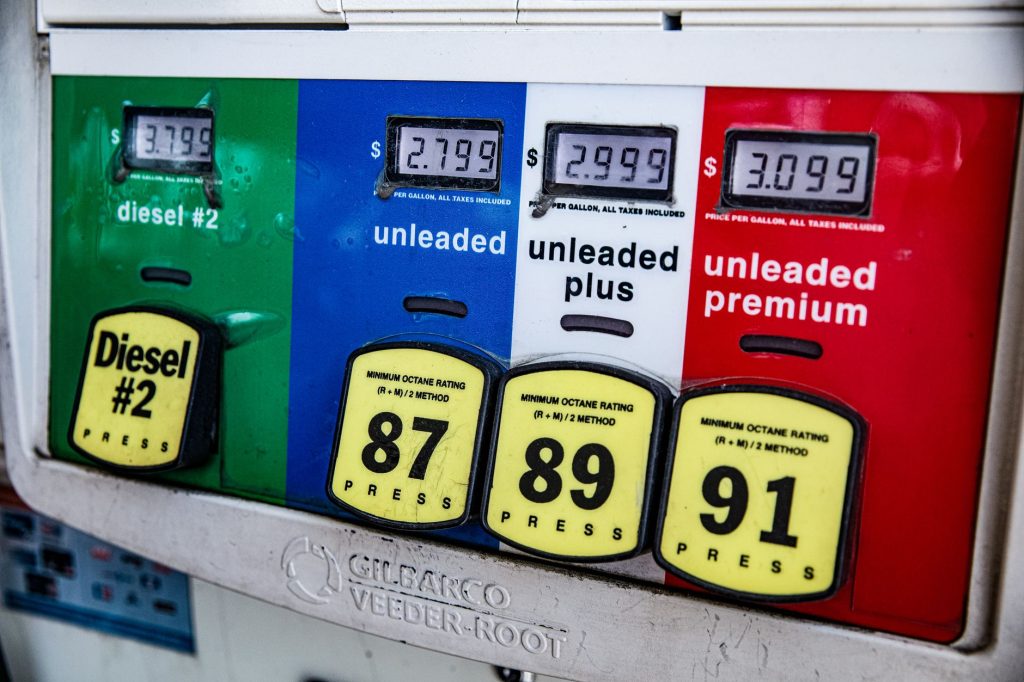
One of the immediate impacts of falling oil prices is typically seen at the gas pump. As costs decrease, consumers often experience lower prices for gasoline, which can lead to:
- Increased disposable income: With gas prices declining, consumers have more money available to spend on other goods and services.
- Higher demand for travel: Cheaper fuel prices can encourage more people to travel, benefiting the tourism and hospitality industries.
- Shifts in consumer priorities: As savings from fuel costs accumulate, some consumers may choose to invest in larger purchases or savings, stimulating other sectors of the economy.
However, the situation is not universally positive. A significant supply glut can lead to:
- Job losses in the oil and gas sector as companies scale back production and cut costs.
- Economic instability in oil-dependent regions, where local economies heavily rely on oil revenues.
As oil prices fall, understanding the broader implications of supply gluts on consumers becomes essential for navigating the evolving economic landscape.
The recent trend of oil prices fall has raised concerns among investors about the stability of energy-dependent economies. As oil prices fall, many countries may experience shifts in their trade balances and fiscal policies.
Photo by Ekaterina Belinskaya on Pexels
Sources
Crude Oil Prices Today | OilPrice.com
Crypto Regulations USA: The Best Guide to 2026 Changes · Hapag-Lloyd Freight Rates: The Best Proven Increase for December · Cerebras quarterly results: Proven earnings beat expectations
 Cerebras quarterly results: Proven earnings beat expectations
 FGI Industries earnings show clear growth: Proven results
 Krishna Rao stake worth $703 million is a Smart Investment
 Yacht Events in Dubai: A Premium Way to Celebrate and Connect
 Tamil Nadu NEET PG 2026: Clear Fee Payment Rules Explained
 Oil Prices Fall: The Real Impact on Global Markets
 Crypto Regulations USA: The Best Guide to 2026 Changes