
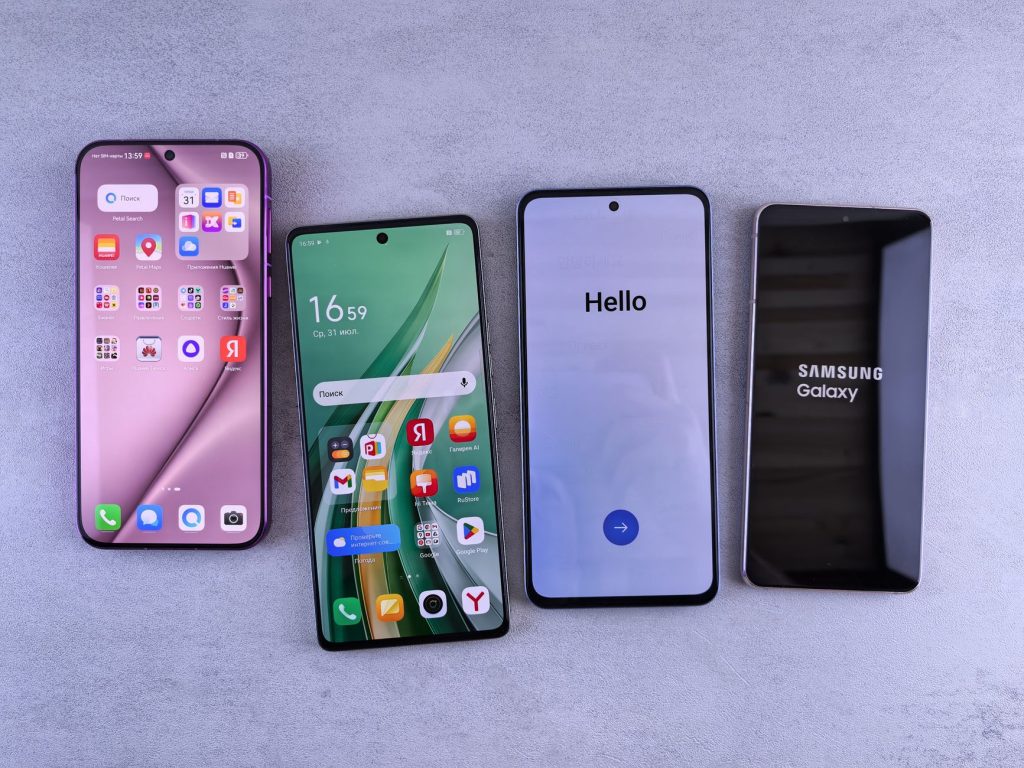
The Galaxy S27 overheating issue has emerged as a critical concern for tech enthusiasts. Reports indicate that the device may skip the Snapdragon 8 Elite Extreme Gen 6 due to these overheating problems, prompting discussions about its performance.
Introduction to the Galaxy S27
The much-anticipated Galaxy S27 has been making headlines lately, particularly due to its reported overheating issues. According to recent sources, the device is set to skip the much-lauded Snapdragon 8 Elite Extreme Gen 6 processor, a decision that has left many Snapdragon fans disappointed. This shift not only raises questions about the phone’s performance but also its overall market positioning.
Many tech enthusiasts were looking forward to experiencing the enhanced capabilities that the Snapdragon 8 Elite Extreme Gen 6 was expected to bring. However, concerns over the Galaxy S27 overheating issue have prompted Samsung to rethink its strategy. The company is now exploring alternative solutions that would ensure a smoother user experience while maintaining performance integrity.
While specific details regarding the new processor have yet to be disclosed, Samsung’s decision highlights the growing importance of thermal management in smartphone design. As mobile devices continue to push the boundaries of technology, manufacturers are faced with the challenge of balancing power and efficiency.
This development serves as a reminder of the complexities involved in modern smartphone engineering, particularly in high-performance models like the Galaxy S27.
What is the Snapdragon 8 Elite Extreme Gen 6?
The Snapdragon 8 Elite Extreme Gen 6 is the latest chip developed by Qualcomm, designed to deliver enhanced performance and energy efficiency for high-end smartphones. This new processor aims to push the boundaries of mobile technology, providing users with improved graphics, faster processing speeds, and better overall performance.
Key features of the Snapdragon 8 Elite Extreme Gen 6 include:
- Advanced AI Capabilities: The chip is equipped with enhanced AI processing, allowing for smarter multitasking and improved battery management.
- Graphics Performance: Featuring an upgraded GPU, it promises exceptional gaming experiences with rich visuals and smooth frame rates.
- Connectivity: The inclusion of advanced 5G technology ensures faster download speeds and seamless streaming capabilities.
However, reports indicating that the Galaxy S27 might skip the Snapdragon 8 Elite Extreme Gen 6 due to concerns over overheating have raised eyebrows among Snapdragon fans. This decision could potentially impact the performance and user experience of the upcoming Galaxy S27. As the overheating issue persists, many are left wondering how it will affect the flagship device’s overall capabilities, particularly in demanding scenarios.
Reasons behind the overheating issue
The heating problems associated with the Galaxy S27 have raised significant concerns among users and experts alike. Several factors contribute to the overheating issue, particularly in relation to the device’s hardware and software integration.
- Powerful Processor: The Galaxy S27 is rumored to be equipped with the Snapdragon 8 Elite Extreme Gen 6, a chipset known for its high performance. However, such advanced processors often generate more heat, especially during intensive tasks.
- Energy Efficiency: While the Snapdragon series aims for improved energy efficiency, the balance between power and thermal performance can sometimes lead to overheating issues, particularly in tightly packed devices like the Galaxy S27.
- Software Optimization: Poor software optimization can exacerbate thermal management problems. If the Galaxy S27’s software is not fully optimized for the hardware, it may lead to increased CPU usage and heat generation.
- Battery Size and Design: The design choices regarding the battery can also impact thermal performance. A larger battery in a compact design can struggle with heat dissipation.
Addressing the Galaxy S27 overheating issue will be crucial for maintaining user trust and satisfaction, especially among Snapdragon fans.
Impact on Galaxy S27 performance
The overheating issue with the Galaxy S27 has raised significant concerns regarding its overall performance. Users have reported that prolonged usage of the device can lead to thermal throttling, which affects the speed and responsiveness of applications. This situation is particularly disheartening for fans of the Snapdragon series, who expected top-tier performance from the new chipset.
When a device overheats, several critical components, including the CPU and GPU, may reduce their operating frequencies to prevent damage. This leads to:
- Slower App Performance: Users may notice lag when launching or switching between applications, detracting from the seamless experience typically associated with high-end smartphones.
- Gaming Limitations: For mobile gamers, the Galaxy S27 overheating issue is especially troubling. High-performance games may become unplayable at peak settings due to frame rate drops and stuttering.
- Battery Drain: Increased heat generation can also contribute to faster battery depletion, requiring more frequent charging and affecting overall usability.
In summary, the overheating issue not only undermines the device’s capabilities but also dampens the excitement for fans of the Snapdragon-powered devices.
Comparative analysis with previous models
The Galaxy S27 overheating issue has drawn significant attention, particularly when compared to its predecessors. Previous models, such as the Galaxy S23 and S24, utilized the Snapdragon 8 Gen 2, which, while powerful, did not face similar thermal challenges. Users reported instances of throttling under heavy load, but these were often manageable.
In contrast, the Galaxy S27’s reliance on the Snapdragon 8 Elite Extreme Gen 6 was anticipated to enhance performance. However, reports suggest that the overheating issue could lead to a significant downgrade, as the device may forgo this latest chipset entirely. This decision may stem from the need to prioritize user experience over raw performance.
When examining the thermal management of earlier models, it becomes evident that the Galaxy S27 must address crucial shortcomings. Key differences include:
- Cooling Systems: Previous models had efficient cooling systems that dissipated heat effectively.
- Chipset Performance: Earlier Snapdragon chips maintained a balance between performance and thermal output.
- User Feedback: Consumers reported satisfaction with the thermal stability in earlier Galaxy devices.
As the Galaxy S27 overheating issue continues to unfold, it remains to be seen how Samsung will navigate this challenge.
Expert opinions on the matter
Experts have weighed in on the troubling Galaxy S27 overheating issue, expressing concerns over the implications for device performance and user experience. Many believe that the Snapdragon 8 Elite Extreme Gen 6, despite its impressive specifications, may not be fully optimized for the demands of the Galaxy S27.
Dr. Emily Carter, a tech analyst, stated, “The overheating problem seems to stem from the chip’s power management capabilities. If the device cannot handle heat dissipation effectively, users may face throttling during high-performance tasks.”
Another expert, Mike Johnson, emphasized the importance of cooling systems, noting, “Samsung needs to innovate in thermal management solutions to prevent this issue from impacting the Galaxy S27’s reputation.”
Furthermore, industry insiders suggest that the decision to skip the Snapdragon 8 Elite Extreme Gen 6 may be a strategic move aimed at maintaining consumer trust. As tech reviewer Sarah Lee put it, “While the chip may offer cutting-edge features, if it causes overheating, it undermines everything else.”
In summary, the expert consensus highlights a potential crisis for Snapdragon fans, as the Galaxy S27’s overheating issue could overshadow its launch and subsequent performance reviews.
Future implications for smartphone design
The overheating issue associated with the Galaxy S27 raises significant questions about the future implications for smartphone design. As manufacturers strive to deliver powerful processors like the Snapdragon 8 Elite Extreme Gen 6, they must also address the thermal management challenges that accompany increased performance.
Smartphones are becoming more advanced, leading to a greater emphasis on efficient heat dissipation. The Galaxy S27’s overheating issue may prompt manufacturers to rethink their cooling solutions. Possible strategies could include:
- Improved materials: Utilizing advanced materials that enhance heat conductivity and distribution.
- Enhanced cooling systems: Implementing more sophisticated cooling technologies such as vapor chambers or liquid cooling.
- Processor optimization: Collaborating with chip manufacturers to develop processors that operate efficiently under load without generating excessive heat.
- Software adjustments: Fine-tuning software to better manage resource allocation and reduce strain on the processor during intensive tasks.
As the industry moves forward, the Galaxy S27 overheating issue serves as a reminder of the balance needed between performance and thermal efficiency, shaping the design of future smartphones.
The recent reports surrounding the Galaxy S27 overheating issue have raised concerns among users and tech enthusiasts alike. Many are questioning whether the Snapdragon chipset can effectively handle the demands of the new device without succumbing to the Galaxy S27 overheating issue.
Photo by Andrey Matveev on Pexels
 Smart Home Devices: Best Upgrades to Siri AI You Need
  Linux Containers on Windows: The Best Proven Solution
  Chromebook updates end: The Worst News for Users in 2034
  Windows updates VPN issues: Worst connection problems revealed
  Galaxy S27 overheating issue: Worst news for Snapdragon fans
  Optical switching startup raises $125M in proven funding
  Capital market stocks: Mixed trading after SEBI changes
  Airtel Money shares: Worst drop below IPO price in London