
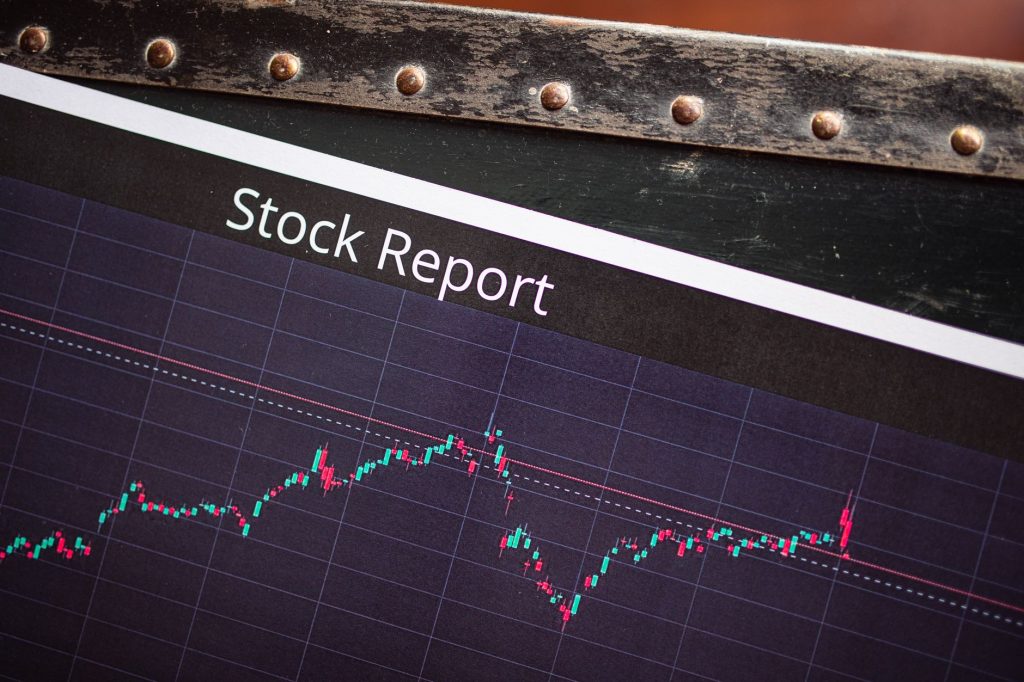
Stock markets close lower amid elevated crude oil prices and rising inflation, raising concerns among investors about the future economic outlook.
Current Market Overview
In a turbulent trading session, stock markets closed lower as investors reacted to a combination of elevated crude oil prices and rising inflation concerns. The persistent increase in energy costs has heightened fears about the broader implications for the economy, leading to a cautious approach among market participants.
Analysts noted several factors contributing to the downturn:
- Inflation Data: Recent reports indicated that inflation is not only rising but may continue to do so in the coming months, prompting worries over consumer spending and corporate profits.
- Crude Oil Prices: With crude oil prices reaching multi-year highs, sectors reliant on energy have faced significant pressure, further impacting market sentiment.
- Interest Rate Speculation: The potential for the Federal Reserve to increase interest rates earlier than anticipated has added to the volatility, with investors reassessing their portfolios in light of potential borrowing costs.
- Global Economic Uncertainty: Ongoing geopolitical tensions and supply chain disruptions continue to weigh on investor confidence, leading to a sell-off in various sectors.
As a result, the overall market sentiment remains cautious, reflecting the ongoing challenges posed by rising inflation. Many analysts suggest that until there is clarity on inflation trends and energy prices stabilize, stock markets are likely to continue facing downward pressure.
Factors Influencing Stock Prices
The recent decline in stock markets close lower has been attributed to several key factors that investors are closely monitoring. Understanding these influences is crucial for assessing the current economic landscape.
- Rising Inflation: One of the primary concerns affecting stock prices is the persistent rise in inflation rates. As consumer prices soar, companies face increased costs, which can squeeze profit margins and lead to lower earnings forecasts.
- Crude Oil Prices: Elevated crude oil prices have also played a significant role in the downward trend. Higher energy costs can lead to increased transportation and production expenses, impacting various sectors and contributing to investor anxiety.
- Interest Rate Hikes: In response to inflation, central banks may implement interest rate hikes. Such measures can lead to higher borrowing costs for consumers and businesses, further dampening economic growth and stock market performance.
- Geopolitical Tensions: Ongoing geopolitical tensions continue to create uncertainty in the markets. Investors often react swiftly to news from conflict zones, which can lead to volatility and a general sense of caution.
In summary, the combination of rising inflation, increased crude oil prices, potential interest rate hikes, and geopolitical tensions are all contributing to the current trend of stock markets close lower, making it a challenging environment for investors.
Impact of Crude Oil on Markets
The recent fluctuations in crude oil prices have played a significant role in influencing stock markets, which closed lower this week. As concerns over rising inflation continue to mount, the volatility in oil markets has only added to investor anxiety.
With crude oil prices reaching elevated levels, several key impacts are being felt across various sectors:
- Increased Production Costs: Higher oil prices lead to increased production costs for companies, particularly in manufacturing and transportation. This can result in reduced profit margins and, consequently, lower stock prices.
- Consumer Spending: As fuel and energy costs rise, consumers may cut back on discretionary spending. This reduction can negatively impact retail sectors, leading to weaker earnings reports and further contributing to the trend of stock markets closing lower.
- Global Economic Concerns: Elevated crude oil prices can exacerbate fears of a slowing global economy. Investors may react by pulling back from stocks, leading to broader market declines.
Overall, the interplay between crude oil prices and inflation is a critical factor influencing market sentiment. As investors monitor these developments, the potential for continued volatility remains a concern, especially with stock markets closing lower amid these economic pressures.
Inflation Trends and Predictions
As investors grapple with the implications of rising inflation, the trends and predictions surrounding this economic phenomenon are becoming increasingly critical. Inflation has been on an upward trajectory, exacerbated by various factors such as supply chain disruptions and increased consumer demand. This persistent rise in prices influences not only the cost of living but also the performance of stock markets globally.
Recent reports indicate that inflation rates are likely to remain elevated in the near term. Analysts suggest that several key indicators should be monitored closely:
- Consumer Price Index (CPI): The CPI is a primary measure of inflation and reflects changes in the price level of a basket of consumer goods and services.
- Producer Price Index (PPI): This index tracks the average changes in selling prices received by domestic producers for their output, providing insights into inflation at the wholesale level.
- Wage Growth: Rising wages can lead to increased consumer spending, which may further fuel inflationary pressures.
With these trends in mind, the potential for stock markets to close lower becomes more pronounced. Investors are likely to adjust their strategies, taking into account not only the current inflation landscape but also the predictions for future economic conditions. The ongoing fluctuations in inflation could significantly influence market sentiment and investment decisions moving forward.
Investor Reactions to Market Changes
As stock markets close lower, investors are grappling with the implications of rising inflation and its potential impact on future earnings. Many market participants are expressing concerns that the current economic landscape could lead to further volatility in the coming weeks.
Investor sentiment appears to be shifting, with a notable increase in caution among traders. The following reactions highlight this evolving landscape:
- Increased volatility: Many investors are bracing for unpredictable market movements as inflation data continues to fluctuate.
- Shift to defensive stocks: There has been a noticeable pivot towards sectors perceived as more stable, such as utilities and consumer staples, as investors seek to mitigate risk.
- Focus on earnings reports: With many companies set to release their quarterly earnings, investors are closely monitoring how businesses are adapting to rising costs and supply chain challenges.
- Heightened interest in bonds: Some investors are reallocating their portfolios towards bonds, viewing them as a safer investment during uncertain times.
Overall, the overarching sentiment reflects a cautious approach as stock markets close lower, with many investors preparing for a landscape shaped by ongoing economic challenges. The implications of rising inflation continue to weigh heavily on market strategies.
Future Projections for Stock Markets
As analysts look ahead, the sentiment surrounding stock markets remains cautious, particularly in light of recent data showing rising inflation. With inflation rates continuing to escalate, many experts project that stock markets will close lower in the coming months as investors grapple with the uncertainty it brings.
Several factors are expected to influence future market conditions:
- Interest Rates: Central banks may respond to inflation by increasing interest rates, which could lead to higher borrowing costs for companies and consumers alike. This scenario often pressures stock prices downward.
- Corporate Earnings: The impact of inflation on corporate profits cannot be overlooked. Companies facing higher input costs may struggle to maintain profit margins, potentially leading to disappointing earnings reports.
- Consumer Spending: Rising prices may dampen consumer confidence and spending, which could further slow economic growth and negatively impact stock market performance.
- Geopolitical Risks: Ongoing global tensions and uncertainties can exacerbate market volatility, with investors reacting quickly to any news that could affect economic stability.
Given these dynamics, stakeholders are advised to remain vigilant as they navigate a landscape where stock markets close lower and the implications of inflation continue to unfold.
Expert Opinions on Economic Conditions
As stock markets close lower, experts are weighing in on the current economic conditions and their potential implications for investors. Many analysts believe that the ongoing rise in inflation is a significant factor contributing to the recent downturn in stock prices. Dr. Emily Carter, an economist at the National Economic Institute, stated, “The persistent inflation we’re witnessing is causing uncertainty in the markets. Investors are reacting to these economic signals with caution, leading to lower stock valuations.”
Another prominent figure, Mark Thompson, a financial strategist, emphasized that the effects of inflation are not just limited to consumer prices. “We are observing a ripple effect across various sectors,” he noted. “Higher costs of goods and services can lead to squeezed profit margins for companies, which in turn, affects stock performance.”
In light of these developments, experts recommend that investors remain vigilant and consider diversifying their portfolios to mitigate risks associated with inflation. Linda Reyes, a market analyst, suggested, “Investors should be proactive and look into sectors that historically perform well during inflationary periods, such as commodities and real estate.”
As investors navigate these challenging economic waters, the consensus among experts is clear: understanding the implications of rising inflation is crucial for making informed decisions in a fluctuating market.
The recent trend shows that stock markets close lower as investors react to the persistent rise in inflation. This decline reflects growing concerns over the potential for increased interest rates, which may further impact economic growth.
Photo by RDNE Stock project on Pexels
 NextEra earnings report: Best Estimates to Beat Again
  Stock markets close lower: The Real Impact of Rising Inflation
  HD Fire Protect IPO: Clear Insights on 34% Premium
  Smart Home Devices: Best Upgrades to Siri AI You Need