
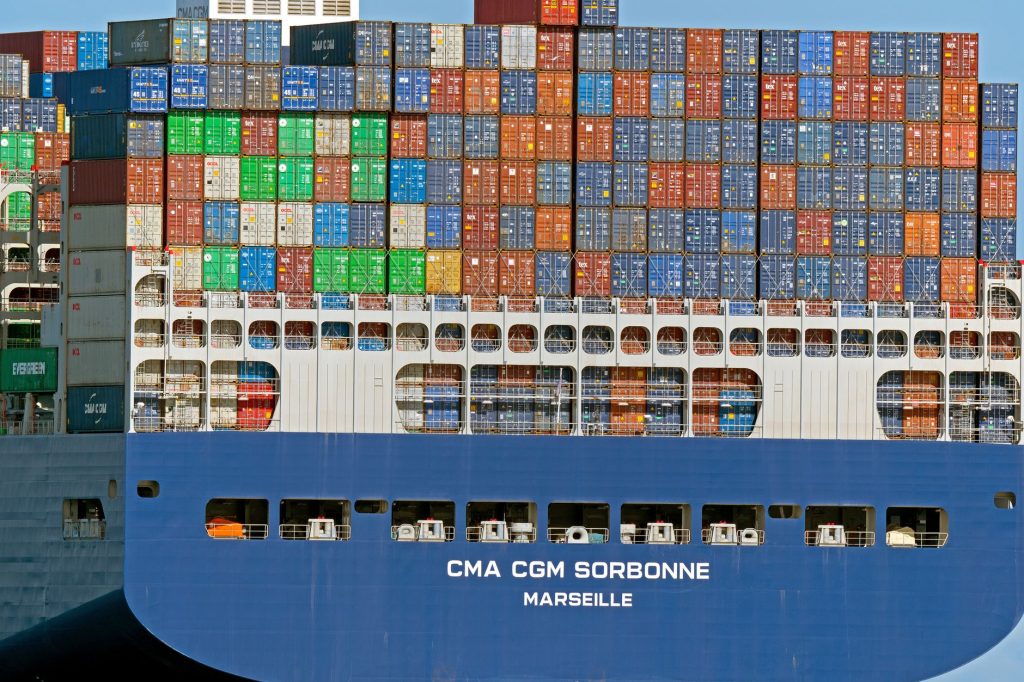
CMA CGM FAK rates are set to change in October, as the company announces new surcharges. This shift will impact logistics and shipping costs significantly.
Overview of CMA CGM’s New Rates
CMA CGM has officially announced revisions to their freight all kinds (FAK) rates, which will take effect from October. These changes reflect the company’s ongoing efforts to adapt to the dynamic shipping market and meet customer needs.
The new CMA CGM FAK rates will apply to various shipping routes, ensuring competitive pricing while maintaining service quality. Notably, the adjustments encompass a range of surcharges aimed at addressing the increased operational costs and market fluctuations.
Key highlights of the updated rates include:
- Effective Date: The new rates will be implemented starting October 1st, 2023.
- Geographical Scope: Changes will affect multiple trade lanes, including Asia to Europe and North America routes.
- Increased Surcharges: Additional fees may be applied depending on cargo type and destination.
- Customer Communication: CMA CGM is committed to keeping customers informed about these changes to facilitate smoother operations.
As the shipping industry faces ongoing challenges, CMA CGM’s adjustments to their FAK rates and surcharges are a strategic move to enhance their service offerings while responding to market demands.
Impact on Shipping Costs
The recent updates to CMA CGM FAK rates have sparked significant discussions among industry stakeholders regarding their impact on shipping costs. As the company implements new surcharges starting in October, many businesses are bracing for the potential financial implications.
Shipping costs are expected to rise due to the following factors:
- Increased Fuel Prices: Fluctuations in fuel prices have historically influenced shipping rates. With rising costs, carriers are compelled to adjust their rates, including the CMA CGM FAK rates.
- Demand and Supply Dynamics: A surge in demand for shipping services, coupled with ongoing supply chain disruptions, is likely to create upward pressure on freight rates.
- Surcharge Adjustments: The newly announced surcharges by CMA CGM aim to cover operational costs. These additional fees could directly impact businesses relying on their services.
As a result, companies in various sectors may need to reevaluate their logistics budgets. The changes in CMA CGM FAK rates not only reflect the current market conditions but also signal a broader trend in the shipping industry. Stakeholders are advised to stay informed and prepare for adjustments in their shipping strategies moving forward.
Details on the New Surcharges
CMA CGM has introduced a series of new surcharges that will come into effect starting in October, significantly impacting the shipping industry. These changes are part of the company’s ongoing effort to manage operational costs and ensure service reliability. The new surcharges are applied to the Freight All Kind (FAK) rates, which encompass a range of cargo types.
Key details regarding the new surcharges include:
- Effective Date: The new surcharges will be applicable from October 1, 2023.
- Scope: The surcharges affect various trade routes, including major lanes serving Europe, Asia, and North America.
- Rate Adjustments: Specific adjustments will vary depending on the cargo type and destination, with the aim of aligning rates more closely with current market conditions.
- Communication: Customers will receive detailed updates on their respective accounts regarding the implementation of these surcharges.
- Customer Support: CMA CGM has emphasized its commitment to transparency and customer support throughout this transition.
As the shipping landscape continues to evolve, the new CMA CGM FAK rates and associated surcharges reflect the company’s strategic response to ongoing market challenges.
How to Prepare for Changes
As the shipping industry adapts to the recent announcement regarding CMA CGM FAK rates and the accompanying surcharges, it is crucial for businesses to prepare effectively for these changes. Here are some steps to consider:
- Review Current Contracts: Businesses should examine existing shipping contracts to understand how the new rates will affect their agreements. It may be necessary to renegotiate terms to accommodate the changes.
- Update Budget Projections: With the implementation of new surcharges, companies should revise their shipping budgets to reflect these anticipated costs. This proactive approach will help mitigate financial surprises.
- Communicate with Partners: Open lines of communication with suppliers and logistics partners are essential. Discuss how CMA CGM FAK rates will impact shipping schedules and costs, ensuring everyone is on the same page.
- Monitor Market Trends: Keep an eye on market fluctuations and competitor rates. Understanding the broader market landscape will help businesses make informed decisions moving forward.
- Seek Expert Advice: Consulting with logistics experts can provide valuable insights into navigating the changes effectively, ensuring compliance and strategic planning.
Being proactive and informed will enable businesses to adapt smoothly to the new CMA CGM surcharges and rates.
Customer Reactions to the Announcement
In response to CMA CGM’s announcement regarding the new FAK rates and surcharges effective from October, customers have expressed a mix of concern and understanding. Many businesses rely heavily on predictable shipping costs, and the recent changes have prompted an outpouring of feedback from various sectors.
Several customers voiced their worries about the potential impact on their bottom lines. Logistics managers highlighted that increased rates could lead to higher prices for end consumers, especially in competitive markets. One manager stated, “These adjustments in CMA CGM FAK rates will undoubtedly affect our pricing strategy. We need to reassess our budgets in light of these surcharges.”
On the other hand, some industry experts believe that the adjustments are necessary for maintaining service quality and capacity. Freight forwarders pointed out that while increases are never welcome, they might reflect broader market dynamics, including rising operational costs and capacity issues.
To address these changes, many businesses are considering strategies such as renegotiating contracts or exploring alternative shipping options. As the industry adapts to CMA CGM’s revised rates, ongoing communication between shippers and carriers will be crucial to mitigate disruptions and maintain service levels.
Industry Response to CMA CGM
The announcement of the new CMA CGM FAK rates has prompted a varied response from industry stakeholders, reflecting the significant impact these changes may have on the shipping sector. Many logistics companies are currently assessing the implications of the new surcharges on their operational costs.
Industry experts have noted that the adjustments in the FAK rates could lead to a realignment of pricing strategies among competitors. Mark Thompson, a shipping analyst, stated, “These changes signal a major shift in how shipping lines price their services, and companies will need to adapt swiftly to remain competitive.”
Additionally, freight forwarders are expressing concerns regarding the transparency of the new rates. Jessica Li, a logistics coordinator, remarked, “While we understand the need for adjustments, clearer communication from CMA CGM would help us manage client expectations more effectively.”
Some industry players are optimistic about the potential for improved service levels that could accompany the new pricing structure. They believe that these changes may lead to enhanced operational efficiencies. However, others worry that the increased surcharges will ultimately be passed down to consumers, raising costs across the board.
As the shipping community continues to digest these changes, stakeholders are urged to stay informed and proactive in managing their logistics strategies in light of the new CMA CGM FAK rates.
Future Trends in Freight Rates
As the shipping industry adapts to the recent changes in CMA CGM FAK rates, stakeholders are keenly observing potential future trends. Analysts predict that the fluctuations in freight rates may continue as global supply chains evolve post-pandemic. With ongoing geopolitical tensions and shifts in trade policies, the impact on shipping costs is likely to remain volatile.
In the coming months, several factors could influence the stability of freight rates:
- Economic Recovery: As economies rebound, demand for shipping services may increase, potentially driving rates higher.
- Fuel Prices: Fluctuations in fuel costs could significantly impact overall shipping expenses and, consequently, FAK rates.
- Regulatory Changes: New environmental regulations may lead to increased operational costs for shipping companies, which could be passed on to customers.
- Technological Advancements: Innovations in logistics and shipping technology may improve efficiency, potentially stabilizing rates in the long run.
In conclusion, while the current adjustments to CMA CGM FAK rates reflect immediate operational needs, the future landscape of freight rates remains uncertain. Stakeholders should stay informed about these trends to navigate the evolving shipping environment effectively.
Photo by Georg Wietschorke on Pexels
 Shipping Route Rate Hikes: The Worst Impact on Logistics