
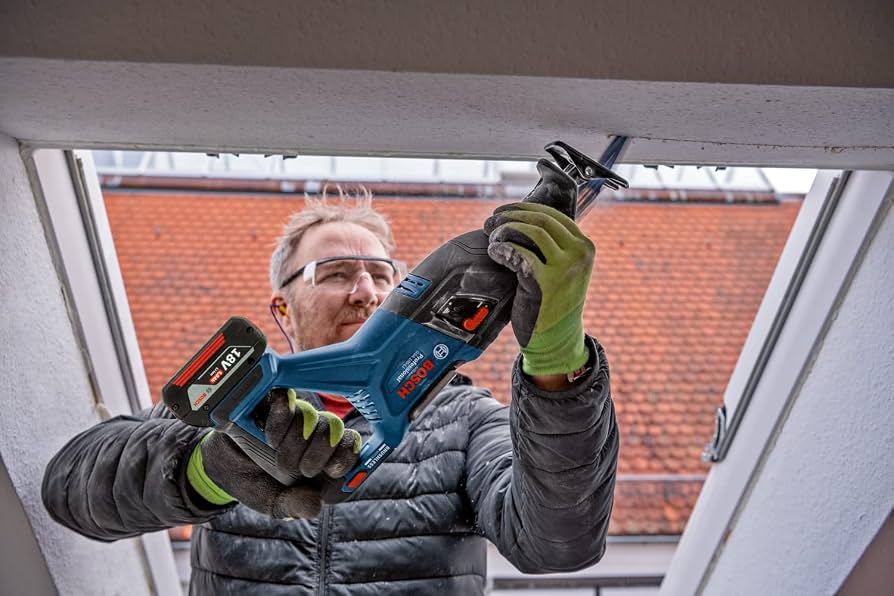
There is a particular kind of confidence that experienced finish carpenters carry. It comes from years of disciplined practice, precise technique, and a deep respect for the tools they work with daily. Among those tools, few demand more respect than the nail guns. Capable of driving fasteners with speed and force that the human hand cannot replicate, these tools also carry risks that are entirely preventable with proper habits and awareness. Committing to nail guns safety is not a sign of caution—it is a mark of professionalism.
Understanding the Risks Before Picking Up the Tool
Nail gun injuries are among the most common tool-related injuries reported in the construction trades. They occur across experience levels, often not because someone was careless, but because they were moving too fast, too tired, or too comfortable with a tool they’d used hundreds of times before.
Most injuries fall into a small number of categories: unintended nail discharge, nail penetration through thin materials, ricochets off hard surfaces, and fatigue-related errors during extended use. Each of these is avoidable. Recognizing which situations create risk is the foundation of a safer work practice.
How Trigger Type Affects Safety on the Job Site
The trigger mechanism on a nail gun plays a larger role in safety than most beginners appreciate.
Sequential Trigger
A sequential trigger—sometimes called a single-shot or series trigger—requires the contact tip to be depressed against the work surface before the trigger can be pulled. This sequence must happen in the correct order every time. Sequential triggers significantly reduce the chance of accidental discharge and are widely recommended for finish work, where precision placement is essential.
Contact Trigger
Contact triggers, also called bump-fire or multi-fire triggers, allow faster nail placement. The tool fires whenever both the trigger and contact tip are activated, in either order. While useful for repetitive, high-volume tasks, this mechanism increases the risk of double-fires and accidental discharge, particularly in awkward positions.
For finishing tasks where accuracy matters more than raw speed, the sequential trigger is the more appropriate choice. Saving seconds per nail is not worth introducing unnecessary risk into precision work.
Personal Protective Equipment for Nail Gun Use
No experienced professional skips their PPE. The right protective gear doesn’t slow you down—it protects the capabilities that make your work possible.
Eye Protection
Flying debris, wood chips, and the occasional ricochet are occupational realities in finish carpentry. Safety glasses or goggles should be worn at all times when operating or working near a nail gun. Polycarbonate lenses offer impact resistance that standard eyewear cannot provide.
Hearing Protection
Pneumatic nail guns generate significant noise with each firing cycle. Prolonged exposure to this level of sound causes cumulative hearing damage over time. Foam earplugs or earmuff-style hearing protection should be worn during extended nailer use, particularly in enclosed spaces where sound reflects off walls and ceilings.
Appropriate Clothing
Loose clothing, open-toed shoes, and unsecured jewelry all create hazard points around power tools. Fitted work clothing, closed-toe boots with reinforced toe caps, and secured hair keep you clear of unintended contact with tools and materials.
Safe Handling Habits That Should Become Automatic
The most effective safety practices are the ones you no longer have to think about. Building correct habits early—and reinforcing them consistently—is what creates a genuinely safe working environment.
Keep your finger off the trigger until you’re ready to fire. This simple discipline eliminates an entire category of accidental discharge incidents. The trigger should only be engaged when the tool is in position and you’ve confirmed your intended nail placement.
Never carry a nail gun with your finger on the trigger. When moving between work areas, hold the nailer by the handle with your trigger hand relaxed and away from the trigger. This applies whether the tool is connected to air supply or a battery.
Disconnect power before clearing jams. Nail gun jams are common and typically easy to clear—but only when the tool is safely disconnected from its power source first. Attempting to clear a jam with an active tool risks discharge and serious injury.
Be aware of what’s behind your work surface. Before driving any fastener, consider what lies beneath the material. Pipes, wiring, and structural members can all be damaged—or can deflect fasteners—in ways that aren’t immediately visible.
Maintain firm, stable positioning before firing. Awkward postures, overreaching, and unstable footing all increase the likelihood of tool slippage and unintended nail placement. Take the extra moment to position yourself correctly before each nail.
Maintaining Your Nail Gun for Consistent, Safe Performance
A well-maintained nail gun is a more predictable nail gun. Predictability is the foundation of safe operation.
Regular cleaning removes sawdust and debris that accumulate in the magazine and around the contact tip, both of which can cause misfires and jams. Lubricating pneumatic nailers according to the manufacturer’s schedule keeps internal components functioning smoothly and reduces wear.
Inspect the contact tip and safety mechanism before each use. If the contact tip is worn, bent, or fails to spring back correctly, the safety function it provides is compromised. Replace worn components promptly—they are inexpensive relative to the risk of operating a tool with degraded safety systems.
Check air hoses and fittings on pneumatic setups regularly. Worn hoses can fail unexpectedly and create pressure-related hazards, or cause inconsistent air delivery that affects driving force and nail depth.
Creating a Culture of Safety on the Job Site
Individual habits matter enormously, but they operate within a broader job site culture. On sites where safety is treated as a shared responsibility, workers look out for one another, communicate about hazards, and reinforce correct practices without judgment.
Experienced professionals set the standard by example. When a senior carpenter consistently follows safe handling protocols—even on tasks they’ve performed thousands of times—that behavior signals to everyone around them that these practices are non-negotiable, not optional when convenient.
 Nail Gun Safety Practices Every Finish Carpenter Should Follow
  Stream Every Game: How Fans Use Sportsurge for NBA and NFL Coverage
  California Fire Watch Company – Trusted Fire Prevention Security Company
  Peptides for Bodybuilding: What the Research Really Shows